Tantra for Beginners: How to Start Your Practice
Mar 24, 2026
Tantra is a vast and ancient spiritual practice and lifestyle. For someone encountering it for the first time, it can feel overwhelming, even confusing.
Where do you begin?
Which path is the right one to follow?
And perhaps most importantly: what is authentic Tantra, and what is the modern distortion of it?
Tantra is one of the oldest and most comprehensive spiritual traditions on earth. The word itself comes from the Sanskrit word, tan, meaning “to expand,” and tra, meaning “tool” or “instrument.” Tantra can therefore be understood as a tool for the expansion of consciousness.
At its heart, Tantra is a path of integration. It weaves together the body, the mind, sexual energy, and divine awareness into a unified process of awakening. Rather than asking us to reject our humanity, Tantra invites us to move through it consciously.
Over time, however, only fragments of this tradition reached the Western world. One particular part of it, its association with sexuality, was isolated from the wider philosophy and practice. What emerged was a simplified version of Tantra, often reduced to bedroom techniques or packaged as a wellness trend, stripped of the depth and context that give the tradition its real power.
In this guide, we want to share Tantra from the perspective of someone who began as a beginner. These are the foundational ideas and practices that helped each of us start making sense of the tradition. If you're just beginning your journey with Tantra, this is where you can start.
What Is Real Tantra? Understanding the Ancient Tantric Tradition
Tantra is an ancient spiritual tradition that emerged in India thousands of years ago. It developed across two primary streams. The first is Hindu Tantra, rooted in the Shaiva and Shakta traditions, and second is Tantric Buddhism, which carried these teachings into Tibet and across Southeast Asia. Both streams share the same foundational belief, that the physical experience is not separate from the divine. It is the divine. Every particle of matter, every pulse of energy, every moment of human experience is an expression of the same sacred, universal intelligence.
This is the core principle that sets Tantra apart from most other spiritual paths. Where many traditions teach that awakening means leaving the world behind by renouncing desire, transcending the body, escaping the cycle of ordinary human experience, Tantra teaches us that awakening is not found by rejecting life. It is found by meeting life so completely, so consciously, that the boundary between the human and the divine dissolves on its own.
Tantra Is an Ancient Lineage, Not New Age Spirituality
One of the most important things a beginner needs to understand is that authentic Tantra has it’s roots, texts, lineages, and living teachers who received transmission from their own teachers in an unbroken chain stretching back thousands of years.
This matters because without respecting and adhering to the sacred lineage, Tantra is in danger of becoming whatever anyone wants it to be.
Distortion of Tantra has a history. When colonial scholars encountered Tantra in the 19th century, Victorian-era sensibilities and Orientalist frameworks produced sensationalized accounts that emphasized the exotic and sexual while ignoring its true spiritual depth and complexity.
In the early part of the 19th century, Pierre Bernard introduced America to a version of Tantra which he called: The Tantrik Order, a blend of yoga and erotic mysticism. Later, in the 1970’s and 80’s Osho coined the word Neo Tantra. He stripped Tantra of it’s overly esoteric and complex rituals and repackaged it into a path to Enlightenment based on methods of meditation. He spoke about several Tantra Masters of the past, unveiling their teachings in a way that makes them accessible for modern people to be able to understand. The highly eroticized version of Tantra prevalent in the world today stems from gross misunderstandings about Tantra’s core principles:
These can be summed up as:
- Tantra is based on methods of meditation, ritual and mantra.
- Tantra is alchemy, transforming ‘base metal’ (our human passions) into gold (our spiritual potential)
The temple of Tantra has two main pillars; Meditation and Love. Meditation offers the male perspective of spirituality while Love offers the female perspective of spirituality. When we weave together love and meditation we experience Tantra.
Tantra Practice works with the Elements, the Chakras, Kundalini Energy, the Senses, Emotions, Creativity, Duality and the Union of Opposites, Subtle Energies, Other Dimensions, Birth, Sex and Death as portals into the Divine, The Inner Pharmacy and Expanded States of Consciousness.
In the 1960s and 70s Entrepreneurs and self-styled Teachers began marketing "Tantric Sex Workshops" that bore little resemblance to actual Tantric practice. The label stuck, and it has been selling ever since.
Today the noise is everywhere. You will find Instagram accounts offering "tantric activation" through breathwork videos that last four minutes. You will find retreat centers charging thousands of dollars for "sacred sexuality immersions" with no philosophical grounding whatsoever. You will find the word Tantra attached to many things that do not have any meaningful connection to the tradition.
One popular teacher who was offering so-called ‘Tantric conscious sexuality groups’ was asked by a participant why he was calling his work Tantra when it has nothing to do with Tantra. He answered, “I know my work is not Tantra but the word Tantra gets more google hits so this is why I am using it.”
When we reduce Tantra to a collection of sexual techniques, we erase centuries of philosophical and mystical sophistication and contemplative practice. We also mislead every genuine seeker who comes looking for something real.
The real tradition is documented in ancient tantric texts that are as rigorous and sophisticated as any spiritual literature ever produced. The Vigyan Bhairav Tantra contains 112 meditation techniques for dissolving the boundary between individual and universal awareness. The Shiva Sutras lay out the entire metaphysics of Kashmir Shaivism in 77 aphorisms of stunning precision.
The Kularnava Tantra details the structure of Tantric initiation and the sacred relationship between guru and student. On the Buddhist side, the Hevajra Tantra and the Guhyasamaja Tantra form the philosophical foundation of Vajrayana practice and rank among the most complex spiritual documents in existence.
These texts are maps of consciousness, refined over centuries by practitioners who dedicated their entire lives to direct experience of what they described. Approaching Tantra sincerely means approaching it with that context intact, which is why lineage and transmission are vital to a genuine practice of Tantra.
The Most Important Figures in Tantra
Tantra is a living transmission, passed like a flame that jumps from heart to heart, Guru to Disciple, across thousands of years. To understand where the tradition comes from, and why it carries the potency it does, you need to know something about the people who shaped it.
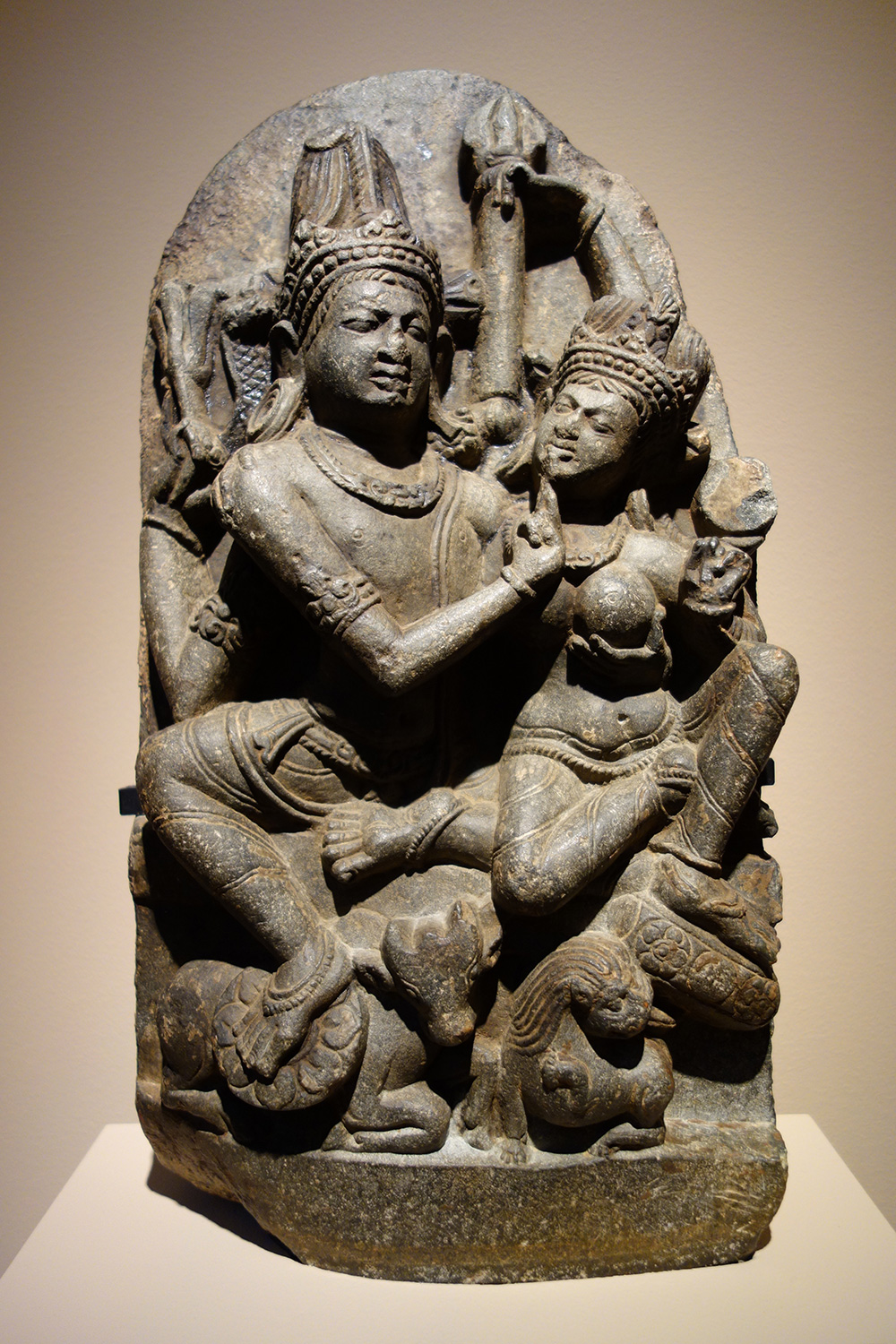
Shiva and Shakti: The Original Teachers
In virtually every school of classical Tantra, the tradition does not begin with an ordinary human teacher. It begins with Shiva and Shakti, the primordial masculine and feminine principles of the universe, understood not as mythological abstractions but as living cosmic forces that pulse through all of existence. These representations of cosmic principles are also depicted as a man and a woman who met, fell in love and got married while retaining their essential divine natures.
Shiva, the pure, still consciousness at the heart of reality, imparts the secret teachings of Tantra to his consort Shakti, the dynamic, creative energy through which the universe manifests. Shakti receives the teachings, embodies them, and becomes both student and expression of everything they describe. Together, Shiva and Shakti represent the union of consciousness and energy, the central axis around which all Tantric philosophy turns.
This is why in virtually every classical tantric text you will find the teaching framed as a dialogue between these two with Shiva speaking, Shakti listening and questioning. The Vigyan Bhairav Tantra opens exactly this way. So does the Kularnava Tantra. The form itself is a teaching, and the truth of Tantra is a living conversation between the two fundamental forces of reality, a conversation you are invited to enter through your own direct experience.
Matsyendranath: The Father of the Kaula Tradition
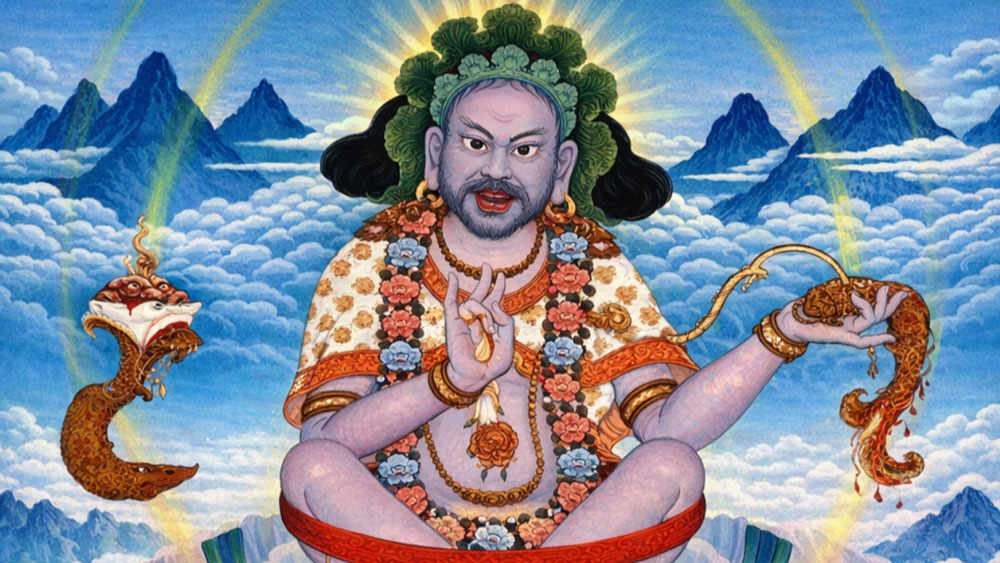
Matsyendranatha, also known as Matsyendra, Macchindranath, and Minanatha, flourished in the early 10th century and is considered both the revivalist of hatha yoga and one of the founders of the Natha sampradaya, the lineage of yogis whose practices form a major thread of the tantric tradition.
What makes Matsyendranath so significant is the astonishing breadth and depth of the lineage he founded. He is credited with composing some of the earliest hatha yoga texts in Sanskrit, including the Kaulajnananirnaya, which is a discussion of the Knowledge Pertaining to the Kaula Tradition, one of the foundational documents of Kaula Tantra. The Kaula tradition is particularly important because it is the stream within Tantra that most fully integrates the body, sexuality, and the sacred feminine into the path of awakening, the aspect of Tantra that has been most influential on the tradition as it exists today.
Matsyendranath is honored as the guru and ideal of practice by many modern practitioners of Tantra, especially those following the Path of Kaula Shakti Marga. In Nepal, he is venerated as a deity in his own right, with the largest chariot festival in the world dedicated to him in the Kathmandu Valley.
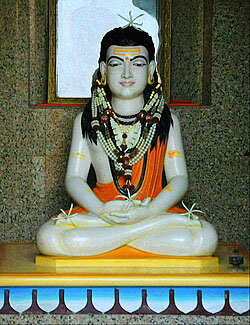
Gorakhnath: The Architect of Tantric Yoga
If Matsyendranath planted the seed, Gorakhnath built the tree. Gorakhnath, also known as Gorakshanath, was the disciple of Matsyendranath and is considered one of the greatest and most influential of the Nath yogis, the figure who produced the writings through which the Natha tradition achieved its greatest expansion.
He established a new synthesis between Pasupata Shaivism, Tantra, and the teachings of the Siddhas, and is credited with authoring the first texts on Laya Yoga, what we now call Kundalini Yoga, as well as the first systematic account of raising Kundalini-Shakti. The Goraksasataka, the Hundred Verses of Goraksha, remains a foundational hatha yoga text describing the six limbs of yoga.
This is essentially, the physical and energetic practices that underpin most modern yoga. The work with breath, energy channels (nadis), chakras, and the subtle body trace back to Gorakhnath's systematization of what Matsyendranath began.
Goraknath was also highly instrumental in the creation of some of the most revered Tantra Temples in the world in Khajuraho, India. These temples are literally scriptures in stone, offering a living transmission of Tantra through sublime architecture and sculpted imagery.
Padmasambhava (Guru Rinpoche): The Man Who Brought Tantra to Tibet
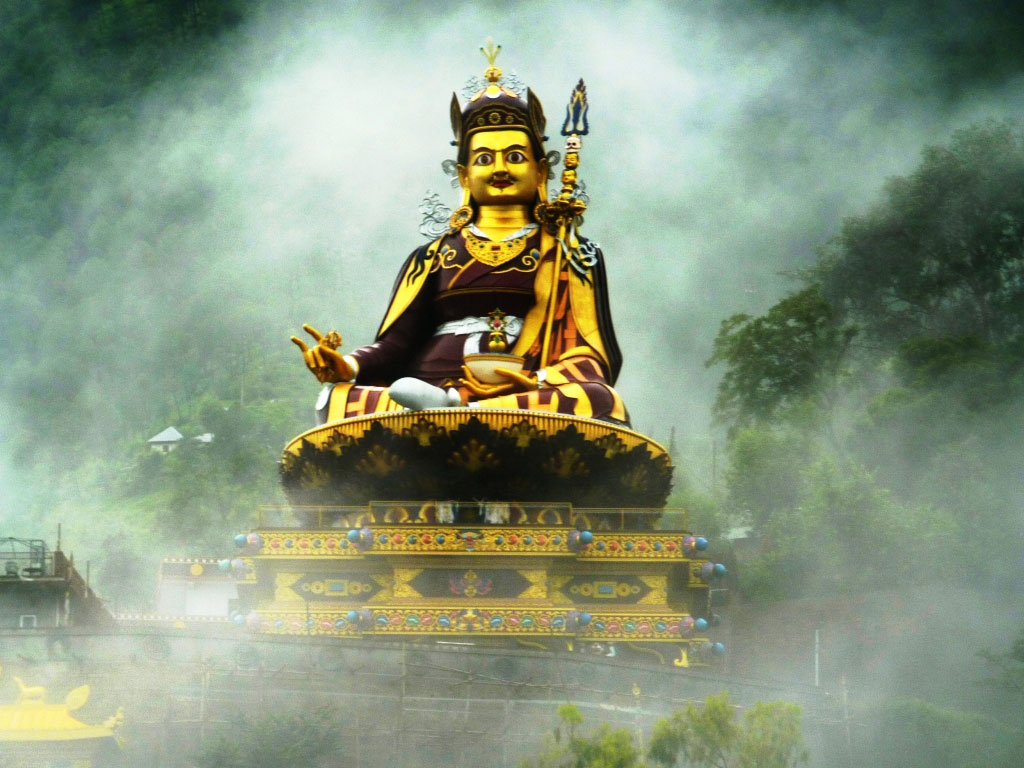
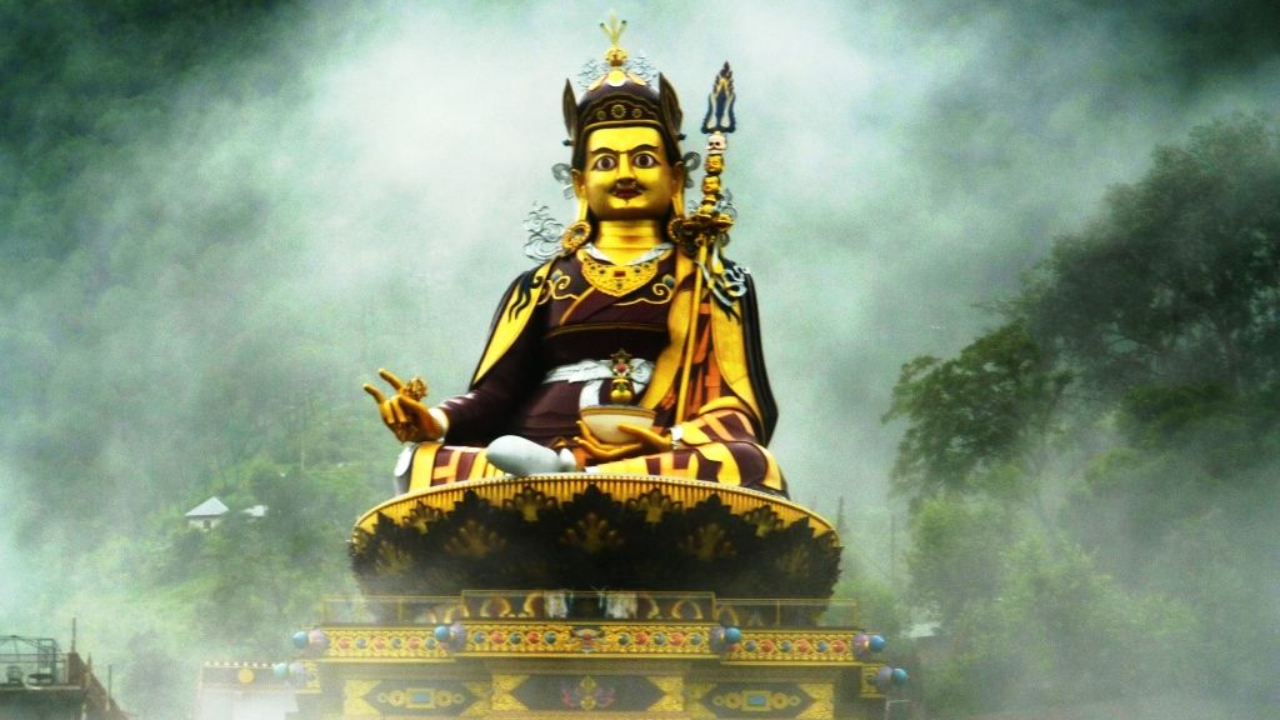
Padmasambhava, also known in Tibet as Guru Rinpoche, the Precious Guru, was an 8th-century Tantric Buddhist Master from India who is credited with bringing Vajrayana Buddhism and the practice of Tantra to Tibet. His arrival in Tibet is one of the pivotal moments in the history of world religion, because it is through Tibet that Tantric Buddhism survived into the modern era with its lineages and transmissions largely intact.
Padmasambhava was brought to Tibet during the reign of Emperor Trisong Detsen and is associated with the building of Samye Gompa, which is Tibet's first Buddhist monastery, as well as the founding of the Nyingma school, the oldest of the Tibetan Buddhist schools. According to the tradition, when the construction of Samye was being disrupted by local spirits and demons, Padmasambhava was called to pacify them. He called each demon by name, subdued them through the power of Tantric practice, and turned them into protectors of the dharma. This shows something essential about Tantric philosophy. Rather than fleeing or suppressing what is dark and powerful, you meet it directly, know it fully, and transform it.
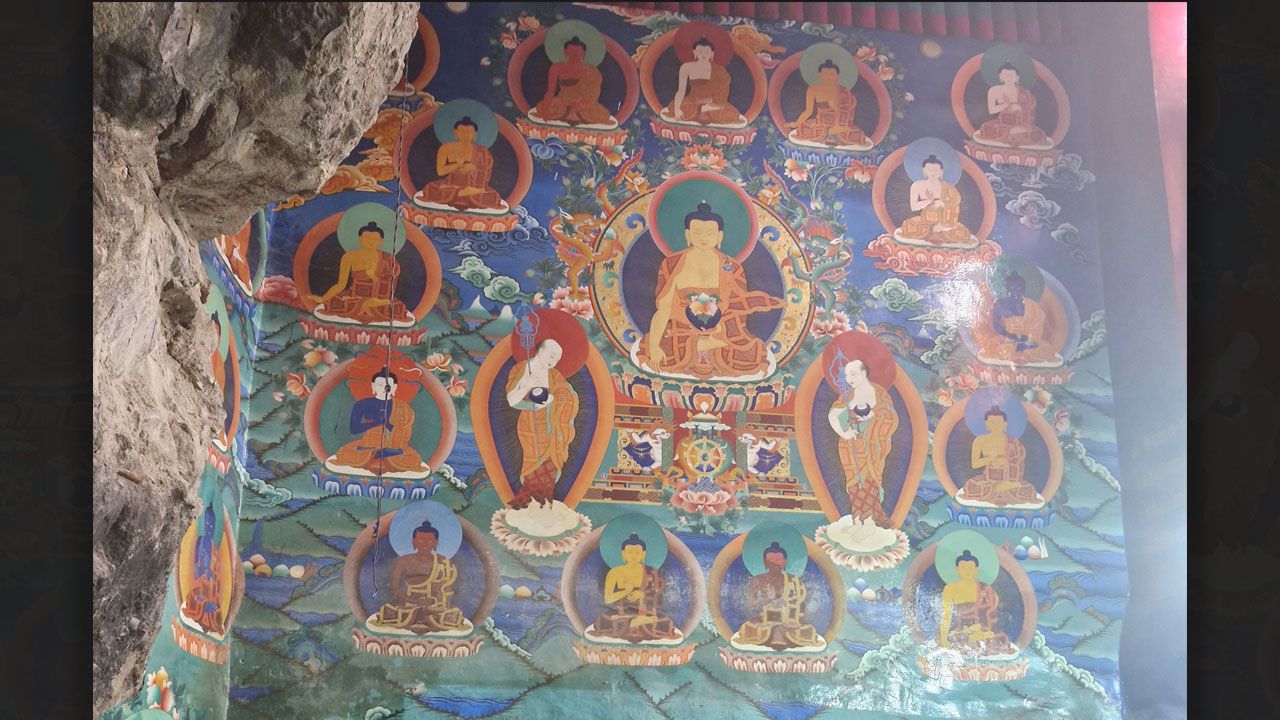
At King Trisong Detsen's request, Padmasambhava opened the mandala of the Vajrayana teachings to the twenty-five principal disciples in the caves of Chimphu, above Samye monastery. Nine of these twenty-five attained the state of siddhi, which is spiritual accomplishment, through these transmissions. He also worked with Tibetan translators to render the Sanskrit Tantras into Tibetan, creating the foundation of the Tibetan Canon that has preserved these teachings for over a thousand years.
Abhinavagupta: The Greatest Philosopher Tantra Has Ever Produced
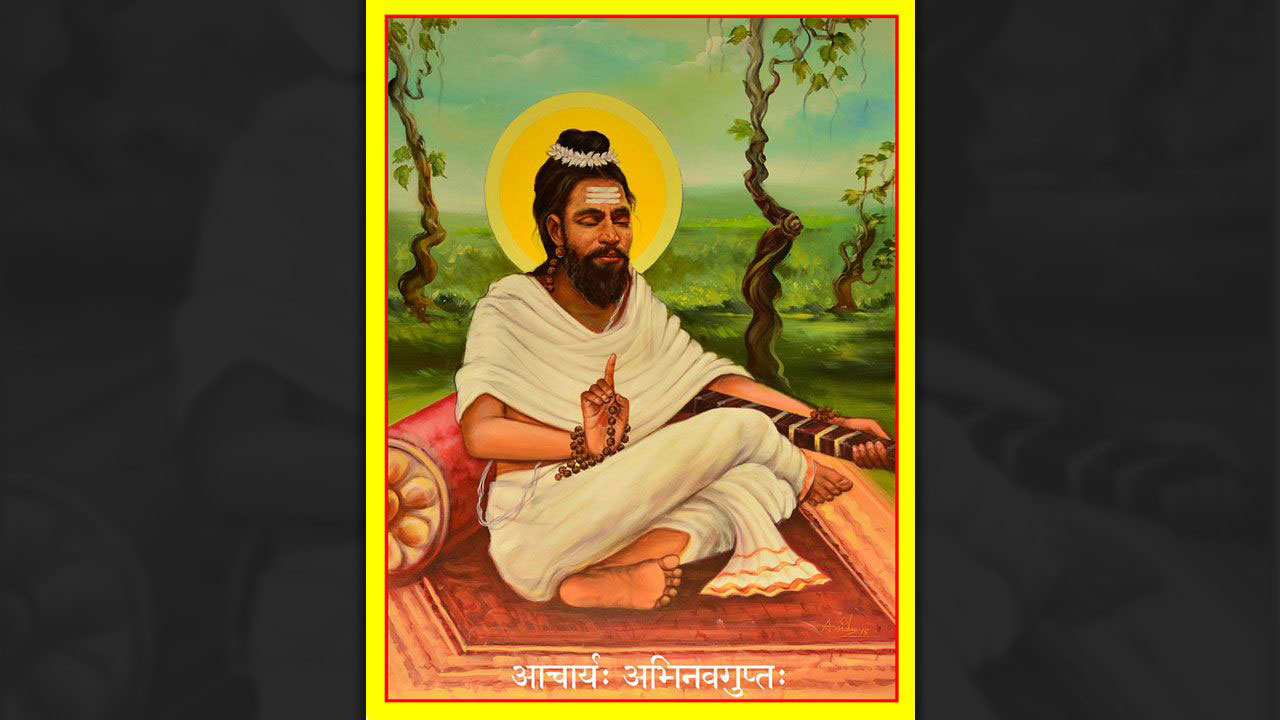
Of all the figures in the history of classical Tantra, Abhinavagupta stands in a category of his own. Born around 950 CE in Kashmir, Abhinavagupta was formally trained in multiple Tantric lineages, including Trika, Kaula, and Krama, and went on to develop one of the most complete systems of non-dual Tantra ever recorded.
He argued that spiritual liberation did not require withdrawal from the world. Instead, it required a fundamental shift in perception and the recognition that everything we experience, including the body, the senses, and the emotions, is made of the same conscious reality that the tradition calls Shiva. This sounds simple until you sit with it. He was not saying the world is an illusion to be seen through. He was saying it is divine, right now, exactly as it is, and that the only thing standing between you and that recognition is a contraction of perception.
Abhinavagupta's great work, the Tantraloka, the Light of Tantra, is considered one of the great classics of yoga and spiritual philosophy. It organized an entire Tantric worldview into a working system, equipping practitioners with clear procedures for initiation, mantra, breath, ritual, and sensory practice, all framed within a non-dual understanding of reality. It remains one of the most demanding and rewarding spiritual texts ever written.
Abhinavagupta taught his disciples how to achieve two important goals simultaneously, which is to become fully divine and to become fully human, and he insisted these were not mutually exclusive. To become a truly fulfilled human being meant to connect at the deepest level with the full range of power innate in consciousness itself. This is the heart of Kashmir Shaivism, and it is the heart of what makes classical Tantra so radical and so alive.
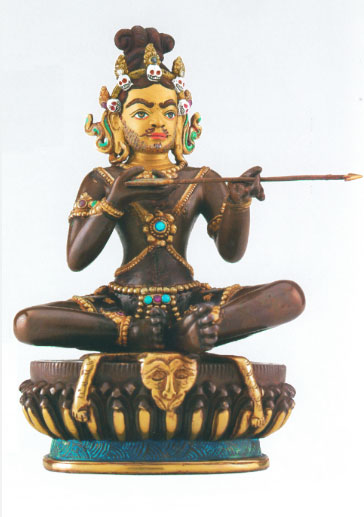
Saraha: The Arrow That Shot Through Duality
Saraha, whose name means "the one who has shot the arrow," was an Indian Buddhist Mahasiddha of the 8th century, considered one of the founders of Vajrayana Buddhism and particularly of the Mahamudra tradition. The name came from the moment of his awakening when a low-caste arrow-maker woman, who was in truth a dakini in disguise, initiated him into the nature of non-dual reality. In that moment, he shot the arrow of non-duality into the heart of dualistic perception, and the name stayed.
He was a scholar of exceptional rank at Nalanda University before abandoning the monastery to live as a wandering yogi with a consort, scandalizing the Brahmin caste he was born into and the Buddhist monastics who had trained him.
His realization poured out in dohas, spontaneous songs of awakening composed in the vernacular language of ordinary people, dense with metaphor, aimed directly at the heart. He had a profound influence on later thinkers and practitioners across India and Tibet, from Nagarjuna and Tilopa to Marpa, Milarepa, Longchenpa, and Chögyam Trungpa. His three great Doha cycles, the King Doha, the Queen Doha, and the People Doha, remain among the most alive and piercing documents in the entire Tantric canon.
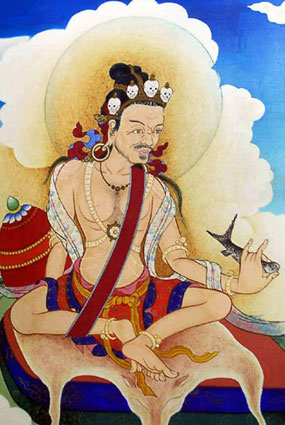
Tilopa: The Wild Yogi Who Transmitted the Great Seal
Tilopa was a 10th-century Indian Mahasiddha born into a Brahmin family in Bengal, and he is considered the first human master of the Kagyu lineage. His path to awakening was deliberately, almost aggressively unconventional. When a dakini appeared to him in vision and initiated him into the Chakrasamvara Tantra, he took a female consort for the practice of union yoga and was expelled from the monastery. He spent the years that followed wandering across India, collecting transmissions from dozens of teachers, grinding sesame seeds for a living which gave him his name, Tilo, the sesame pounder, and working at night in a brothel as instructed by his teacher, the dakini Matangi. Through this period of total surrender to circumstances most monastics would have considered degrading, he attained complete Mahamudra realization.
What Tilopa gathered across those years was extraordinary. He became a holder of all the tantric lineages, possibly the only person of his time to do so, including teachings on Mahamudra received directly from the Buddha Vajradhara, the Six Yogas of Naropa, and the full spectrum of anuttara-yoga tantra transmissions. He then compressed the essence of everything he had realized into what became one of the most potent teaching transmissions in the entire history of Tantra, known as the Ganges Mahamudra, a song of realization he sang to his disciple Naropa on the banks of the Ganges River. All lineages of Mahamudra meditation trace their source to that song, a transmission that has been passed directly from master to disciple in a continuous stream that exists unbroken to this day.
Osho (Bhagwan Shree Rajneesh)
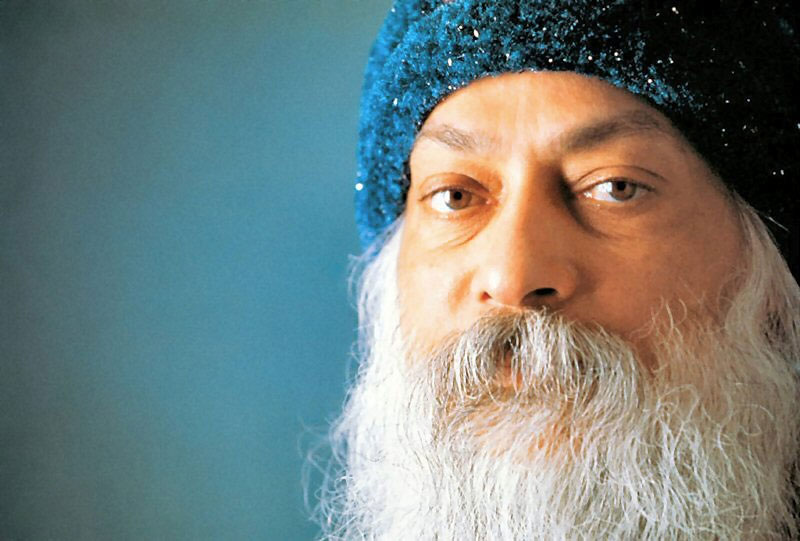
If you have watched Wild Wild Country on Netflix, you already know part of the Osho story. The orange-clad followers, the fleet of Rolls-Royces, the commune in the Oregon desert called Rajneeshpuram, that became the site of America's first major bioterrorist attack, the criminal charges, (later proved erroneous) the deportation. But the documentary captures the collapse far better than it captures what drew hundreds of thousands of intelligent, educated, spiritually sincere people to Osho in the first place, and why any honest account of Tantra's transmission to the West has to start with him.
Osho began teaching in India in the 1960s, drawing crowds of up to 50,000 people with a quality of intelligence and irreverence that was unlike anything available elsewhere. By the mid-1970s his ashram in Pune had become a destination for seekers from across the world, most of them arriving with enormous amounts of somatic repression, carrying decades of religious conditioning that had taught them that desire was dangerous. Osho told them the body is not the problem, repression is the problem. His commentary on the Vigyan Bhairav Tantra, published as The Book of Secrets, introduced millions of people to classical Tantric ideas in a form that was both accessible and intellectually stimulating. He synthesized these teachings with Western psychology, breathwork, and bioenergetics to create practices, particularly the Osho Active Meditations, that remain genuinely effective tools for the work of embodiment, and inner release of repressions and the awakening of higher consciousness states.
Osho is the author of over 600 books on Spirituality and Tantra which were created out of transcriptions of his live discourses given to his disciples.
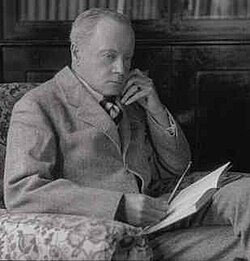
John Woodroffe (Arthur Avalon): The Scholar Who Saved the Texts
John Woodroffe was the Chief Justice of the Calcutta High Court and one of the British Empire's top legal minds in India. Under the pseudonym Arthur Avalon, he became the first Western scholar to rigorously translate and engage with the original Tantric texts, offering the English-speaking world its first real access to kundalini, chakras, mantra, and Shakti as living systems of practice.
His story is remarkable. Alongside his judicial duties, he studied Sanskrit and Hindu philosophy and was especially interested in Hindu Tantra. He translated some twenty original Sanskrit texts and published and lectured prolifically under the name Arthur Avalon, a pseudonym that allowed him to operate across two worlds without losing either his legal career or his access to the traditions. Colonial institutions regarded Tantra as obscene or irrelevant. Publishing under his real name could have cost him everything.
His 1919 book The Serpent Power was the first detailed Western guide to the chakra system as it actually appears in the Tantras. This describes the system of subtle energy centers as indicated in Sanskrit texts by practitioners who had worked with them directly.
Working with Bengali mentors, Woodroffe turned the image of Tantra around from that of a despised magical and orgiastic cult into a refined philosophical system, substantially enhancing the prestige of Hindu thought for later generations of Western readers. Without his work, it is genuinely difficult to say whether classical Tantra would have survived the colonial period with any credibility in the West at all. Most of what the West understands about Tantra today still comes from his work, directly or indirectly. There would be no chakra charts, no modern kundalini yoga, no Western access to scripture-based practice without Woodroffe.
Tantra Is Rooted in Meditation

Let me be direct about something that doesn't get said clearly enough in most beginner guides. A significant portion of what is being marketed and practiced under the name of Tantra today is not just inaccurate, it is genuinely dangerous. And if you spend any time on Reddit's r/tantra or r/spirituality threads, or read through the Quora questions from confused and sometimes traumatized seekers, you will see it too.
The pattern is disturbingly consistent. Someone arrives curious and open, perhaps carrying some pain, perhaps just genuinely searching for depth. They find a "Tantra Teacher" with a polished website, a Balinese retreat backdrop, and a vocabulary full of words like Sacred, Shakti, and Healing. What follows ranges from the mildly misleading to the outright abusive. In some cases, teachers manipulate students into believing they need to have a sexual connection with the teacher in order to be initiated into their lineage, framing coercion as spiritual necessity. Cult specialists who have worked with survivors describe a common pattern: gurus take advantage of being revered by dedicated followers, using exotic spiritual language to evoke traumatizing experiences that get framed as part of the healing journey.
Agama Yoga, one of the most prominent Tantra Schools in Southeast Asia featured on Netflix's UnWell documentary series faced allegations from at least 14 former students who claimed they were sexually assaulted by its founder, Narcis Tarcau. One former student described being pressured to participate in a group sex ritual at the end of a six-week "Tantric Initiation" program, having clearly stated from the start that this was something she feared and did not want. When she resisted, she was shamed and told she was not dedicated enough to the path. This is not an isolated incident. It is a structural problem rooted in the absence of real lineage, real ethics, and real accountability.
This is not Tantra. It has never been Tantra. And the fact that it operates under that name is an insult to one of the most sophisticated spiritual traditions the world has ever produced.
Ma Ananda Sarita, founder of Tantra Essence Academy shares a personal story; “When I first started teaching Tantra, a friend said to me; “it is better that you call your work by another name rather than Tantra because the word Tantra has become so corrupted.” I responded, “The word Tantra has such profound and beautiful meanings and the Tantra path is so exquisite in it’s refinement of human energy, that I will certainly call my work by the name of Tantra. However, I am detemined to change the way people perceive Tantra. I will bring the dignity of Tantra back to this world.”
What Real Tantric Practice Actually Looks Like
Real Tantra is, at its foundation, is a conglomerate of meditation practices. The Vijnana Bhairava Tantra alone contains 112 distinct meditation techniques. One hundred and twelve separate methods for dissolving the boundary between individual consciousness and universal awareness through breath, sound, sensation, visualization, darkness, light, silence, and the space between thoughts. Each technique is a doorway. The entire text is essentially a manual for inner transformation so comprehensive that practitioners have spent entire lifetimes working with it.
Genuine tantric meditation develops pratyahara, the withdrawal of awareness from external distraction into the interior landscape of consciousness. It develops the capacity to work consciously with sexual energy, not as something to indulge or suppress, but as a potent form of prana, which is life force, that can be circulated, refined, and directed toward awakening rather than simply discharged. It deepens the practitioner's connection to what the tradition calls Shakti, the living, pulsing divine intelligence that underlies all experience. And practiced consistently, over time, under real guidance, it moves toward moksha, liberation from the unconscious patterns and contractions that keep most human beings living far below the surface of what is possible.
Tantric meditation practices typically include some combination of the following:
- Pranayama and breathwork
- Visualization and deity practice
- Mantra
- Energy circulation
- Winessing, applied to inner and outer reality
- Love and Devotion
- Sacred Ritual
Tantra Can Be Practiced Alone or With a Partner
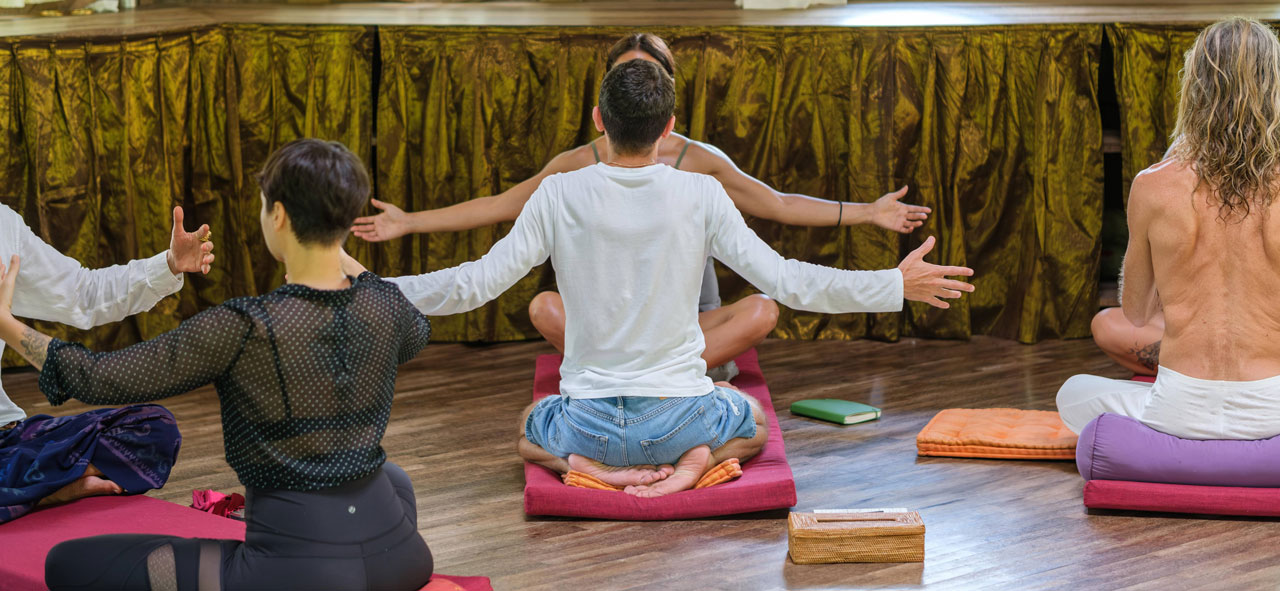
One of the most persistent misconceptions about Tantra is that it requires a partner. It does not. In fact, for most practitioners, the solo path is where the real foundation gets built. Without that foundation, partner practice has very little to stand on.
Solo tantra practice is the primary path. The entire internal architecture that partner practice eventually works with has to be built, slowly and deliberately, through individual practice.
In ancient times, it was universally accepted that seekers on the Tantra path had to first go through a minimum of 5 years of dedicated solo practice before any initiation would be offered for partner practices.
The core of solo Tantra is meditation as a systematic investigation of the nature of consciousness itself. The practitioner learns to sit with what arises without collapsing into it or pushing it away. This capacity for conscious presence is the single most important skill in the entire tradition, and it is developed alone, in silence, over a long period of time.
Partner Tantric Practice: The Path of Sacred Union
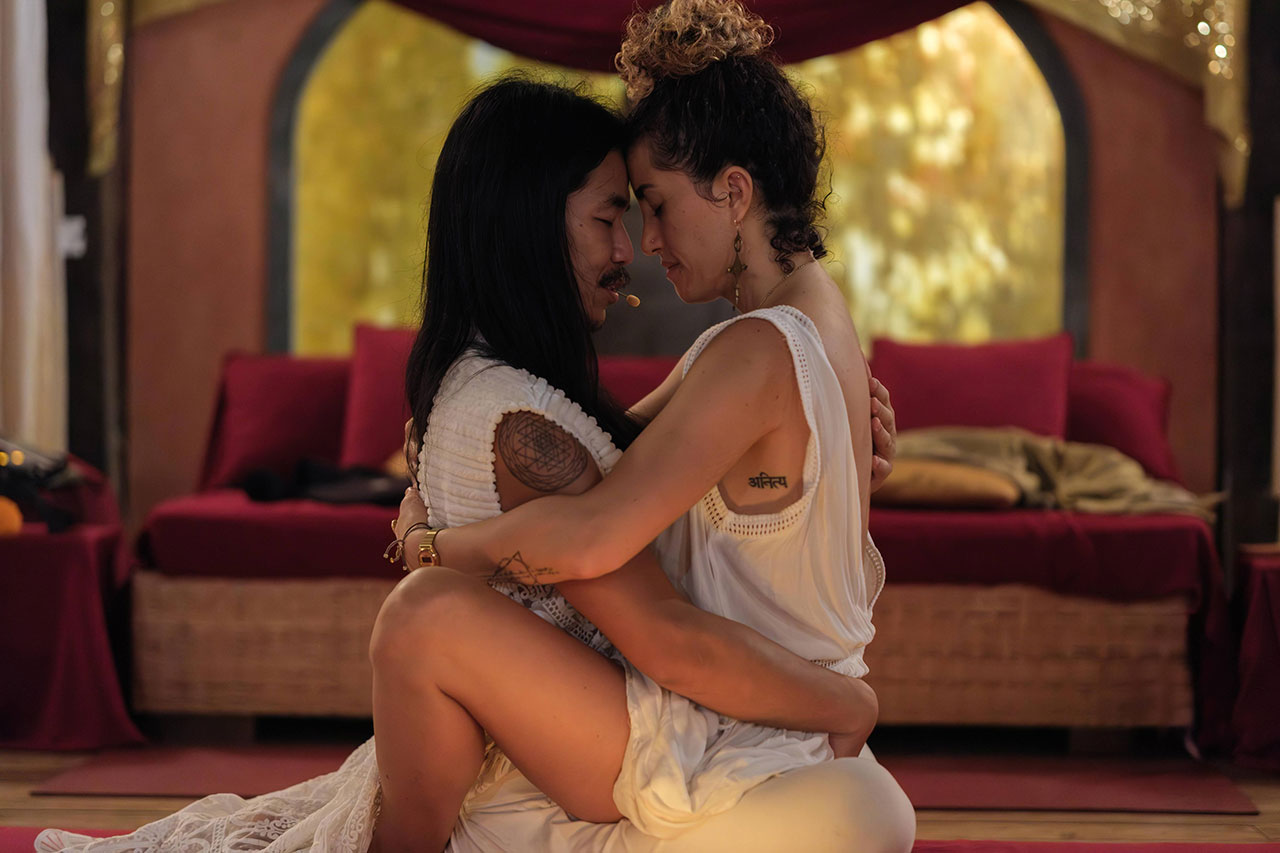
Once the individual foundation is established, partner practice becomes possible and it becomes something entirely different from what most people imagine when they hear the phrase "Tantric sex."
Sacred union in the classical sense is not about prolonged pleasure, though deeper pleasure may arise. It is about using the intensely amplified energetic field created between two people who are both genuinely present and internally developed, to access states of awareness that are difficult to reach alone. The partner becomes a mirror of the divine itself. The tradition of maithuna, the sacred union of Shiva and Shakti enacted through two human bodies, is only possible when both partners have done sufficient inner work to be able to hold that charge consciously rather than simply being swept away by it.

Understanding Sexual Energy in Tantra
Of all the ways that Tantra differs from other spiritual paths, its treatment of sexual energy is perhaps the most radical and the most misunderstood. Most religious and spiritual traditions have one of two relationships with sexuality: they either ignore it, or they ask you to suppress it. Tantra asks a fundamentally different question; what if this force, the most powerful biological drive in the human organism, is not an obstacle to awakening, but its most potent raw material?
Osho, whose commentary on the Vigyan Bhairav Tantra in his Book of Secrets remains one of the most accessible introductions to the philosophy, put it plainly:"Sexuality and spirituality are two ends of one energy.". He went further: "The body can become a vehicle to that which is beyond body, and sex energy can become a spiritual force." (Book of Secrets, Osho).
Lama Yeshe, the Tibetan Buddhist master whose Introduction to Tantra: The Transformation of Desire is considered by Harvard's Janet Gyatso to be the best introductory work on Tibetan Buddhist Tantra available in English, framed it with characteristic clarity:
"The logic of Tantra is really very simple: our experience of ordinary pleasure can be used as the resource for attaining the supremely pleasurable experience of totality, or enlightenment."
He was equally direct about what qualifies someone to work with sexual energy at the advanced levels of practice:
"Until we have gained mastery over our subtle body and have embraced the blissful kundalini energy dormant within, we are not at all qualified to embrace an external consort."
Tantric scholar Christopher Hareesh Wallis, one of the most rigorously trained contemporary teachers of classical Shaiva Tantra, is equally clear that classical Tantric texts do not describe techniques for better sex or enhancing pleasure. Instead, they emphasise the polarity of masculine and feminine energies and the role of sexual energy in spiritual practices.
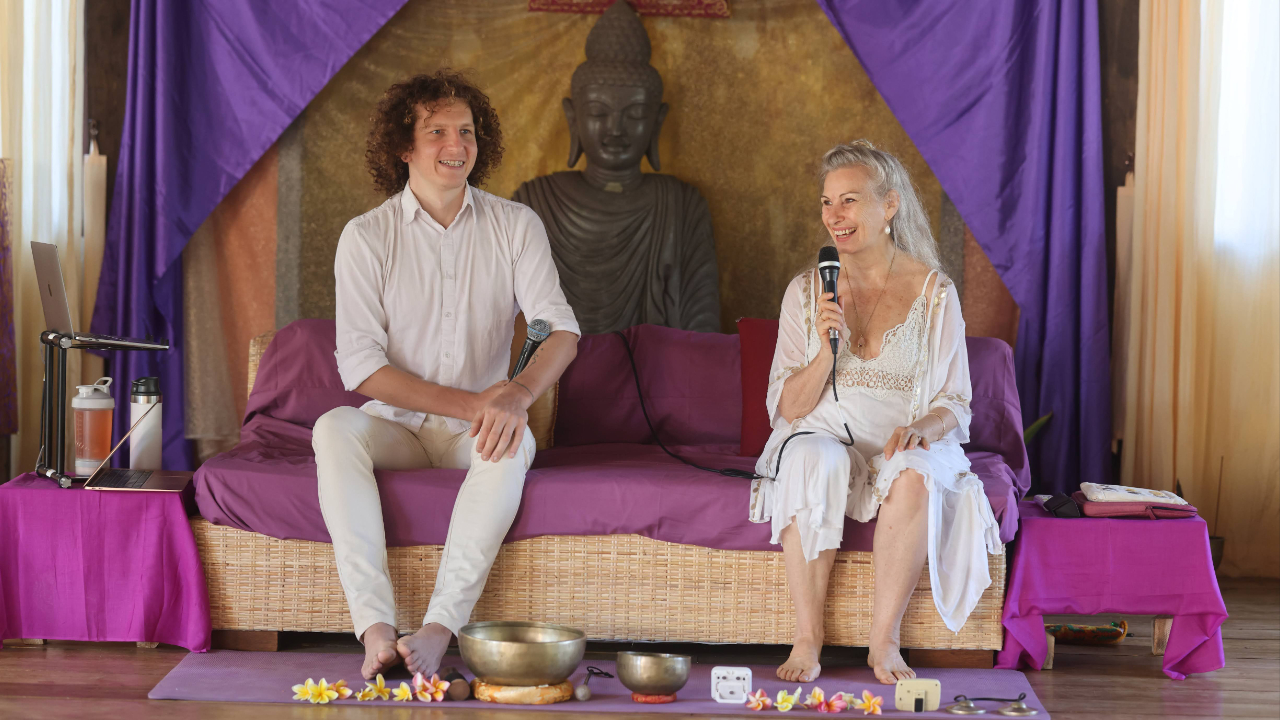
Ma Ananda Sarita, whose work with Tantra Essence has introduced thousands of students to the living transmission of this tradition, describes it through the lens of direct experience. Having spent seventeen years in Osho's physical presence before beginning to teach Tantra, she writes that Tantra offers transformation in the areas most people suffer most, including self-worth, love, relationship, and sexuality, while simultaneously pointing toward the recognition of our divine nature and oneness with all of creation. Her two books, Tantra Alchemy and Divine Sexuality, are built on this understanding that working consciously with sexual energy is a doorway through which the whole of life can be transformed.
Tantric Yoga and Energy Practices
Most people who have encountered the word "Yoga" in a Western context have encountered a fraction of what the word actually means. The asana classes taught in studios around the world, which are sequences of postures designed primarily for physical health and flexibility represent perhaps five percent of what yoga has historically encompassed. The rest is inner work through breath, energy movement, consciousness, and the dismantling of the unconscious structures that keep human beings asleep to their own true nature.
The Subtle Body: The Foundation of Everything
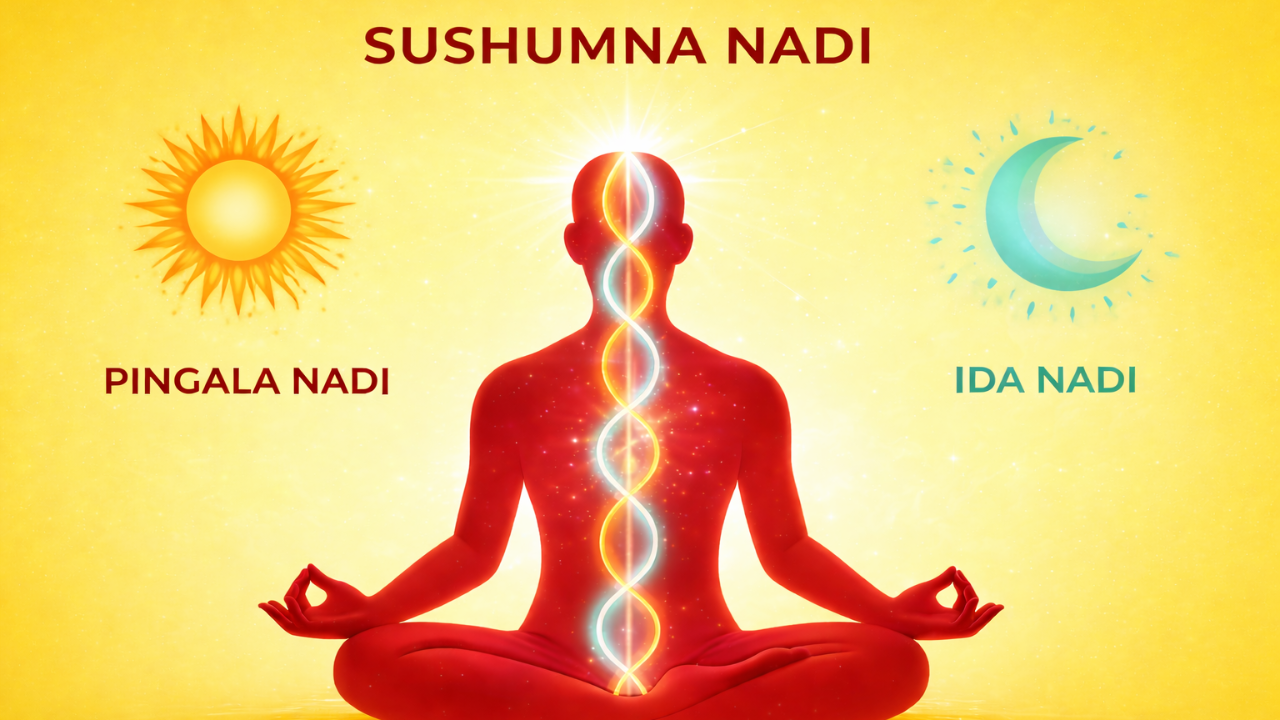
Before any of the specific practices make sense, you need to understand what they are working with. Classical Tantra operates on the understanding that the physical body is not the only body. Beneath and interpenetrating the gross physical form is a subtle energy body composed of nadis, which are energy channels, and chakras, energy centers where these channels converge. The classical texts describe 72,000 nadis, though three are considered primary: Ida (lunar, feminine, cooling), Pingala (solar, masculine, heating), and Sushumna, the central channel that runs along the axis of the spine from the base to the crown of the head.
The Sushumna is where all the real work happens. In most human beings, under ordinary conditions, the central channel is in a state of stagnation. Energy flows through Ida and Pingala, which are the two side channels, sustaining ordinary biological and psychological functioning, but rarely penetrates the central axis. Tantric yoga, in all its forms, is fundamentally concerned with opening the Sushumna so that the dormant kundalini energy can rise through it.
Kundalini Yoga: The Heart of the Tantric Energy Path
In Hinduism, Kundalini is a form of divine feminine energy, or Shakti, believed to be located at the base of the spine in the Muladhara chakra. This energy in the subtle body, when cultivated and awakened through Tantric practice, is believed to lead to spiritual liberation. It is typically represented as a serpent coiled three and a half times at the base of the spine that is sleeping, full of potential, waiting.
The process of kundalini awakening is not a single event. It is a progression. The progress of kundalini through the different chakras achieves different levels of awakening and mystical experience, until it finally reaches the Sahasrara or crown chakra, producing a profound transformation of consciousness.
Working with kundalini and the ancient tantric practices requires proper initiation, guidance, and a slow and steady approach. Kundalini is a powerful force and when awakened it can create massive spiritual change, which is exactly why it demands respect and the support of an experienced teacher you genuinely trust.
Energy Circulation and the Microcosmic Orbit
Energy circulation practices, including what Taoist tradition calls the Microcosmic Orbit, work with a related but distinct map of the energy body. Where classical Indian Tantra focuses on the Sushumna and the chakras, Taoist internal alchemy maps the flow of chi (life force) through two primary channels: the Du Mai (Governing Vessel), which runs up the back of the body from the perineum to the crown of the head, and the Ren Mai (Conception Vessel), which runs down the front from crown to perineum.
The Microcosmic Orbit practice involves learning to consciously circulate energy through this loop, drawing it up the spine on the inhalation and down the front of the body on the exhalation, creating a continuous cycle of refined life force through the body's central axis. When practiced consistently over time, this circulation has profound effects on vitality, emotional regulation, mental clarity, and the quality of awareness in meditation and daily life.
The Goal of Tantra: Enlightenment Through Life
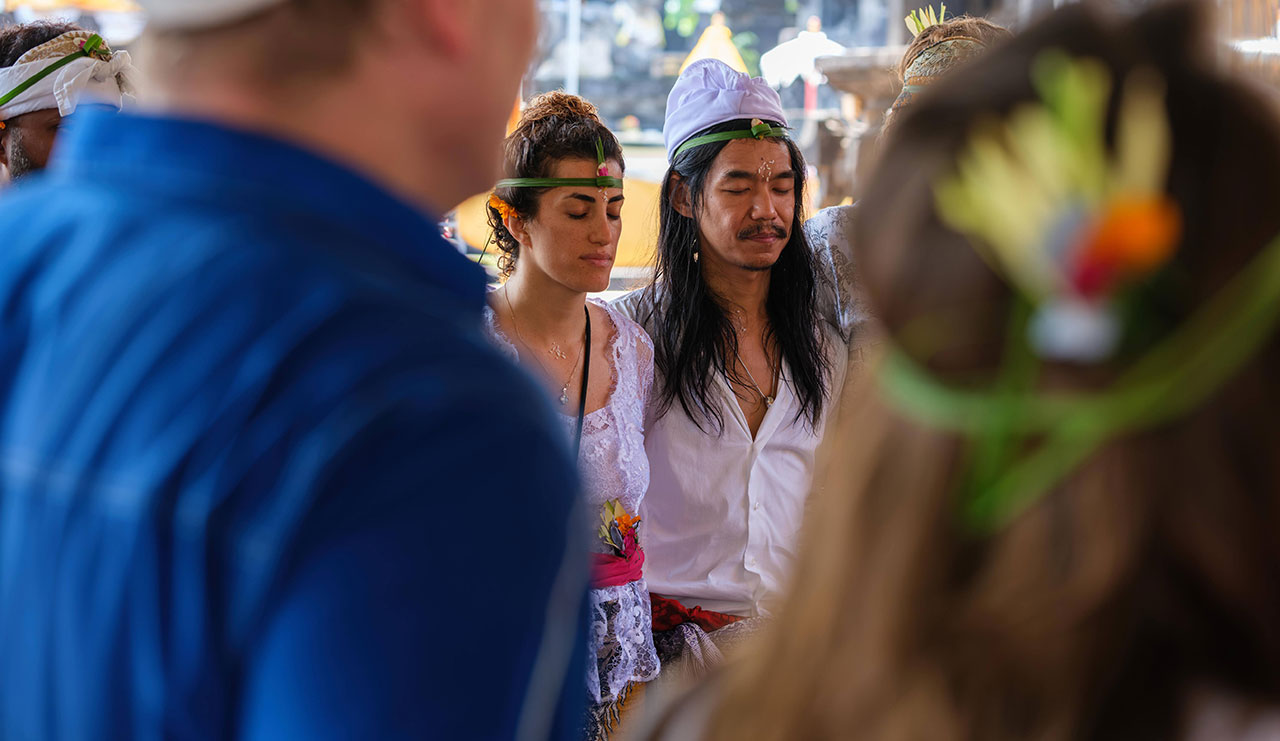
Every serious spiritual tradition asks the same question, even if it asks it differently: what is the deepest possibility of human existence?
What lies on the far side of the ordinary contracted experience of being a self, bounded, anxious, perpetually seeking, that most people mistake for reality?
Most traditions answer this question with a version of renunciation. To reach the highest, you must leave behind the lowest. Transcend the body and subdue desire. Withdraw from the world. The monastery, the cave, the forest, these are the classic containers of serious spiritual life across cultures because the assumption embedded in most paths is that the world is an obstacle, and that awakening requires distance from it.
Tantra arrives at the same destination through a completely different door.
The Tantric Vision of Enlightenment
In the classical Tantric understanding, articulated most completely in the philosophy of Kashmir Shaivism through Abhinavagupta's Tantraloka, the universe is not a problem to be solved or a trap to be escaped. It is the spontaneous, exuberant self-expression of divine consciousness. Every sensation, every emotion, every moment of ordinary human experience is that same consciousness playing in the field of its own manifestation. There is nowhere to escape to, because there is nowhere that is not already divine.
This changes everything about what awakening means and how it is approached. Enlightenment in the Tantric framework is the recognition of what has always already been the case, that the awareness reading these words right now is the same awareness that the tradition calls Shiva, or Brahman, or Buddha-nature. The only thing obscuring this recognition is not impurity or sin or attachment in the conventional sense. It is a contraction of perception, a habitual narrowing of awareness into a small, defended sense of self that can be directly addressed through practice.
Swami Lakshmanjoo, one of the last living masters of the Kashmir Shaivism tradition, expressed the goal of this path is not to become something other than what you are, but to recognize what you have always been.
Best Books for Beginners to Learn Tantra
Vigyan Bhairav Tantra
Before any modern author, before any contemporary teacher's interpretation of Tantra, there is the original text itself. The Vigyan Bhairav Tantra is the root scripture of the entire Kashmir Shaivism lineage and is a dialogue between Shiva and Shakti comprising 112 techniques of meditation. It was written down somewhere between the 7th and 10th centuries CE, though the practices themselves are considerably older, dating back to over 5000 years. Abhinavagupta referenced it as foundational to his entire encyclopedic system in the Tantraloka. It is, in other words, the book that the tradition itself considers the beginning.
Most Tantric texts are inaccessible to the uninitiated and are dense with Sanskrit terminology, requiring lineage context to interpret, written for practitioners already deep inside the tradition. The Vigyan Bhairav Tantra is different. Each of its 112 sutras is a single, direct experiential instruction with practices to be attempted, right now, with the body and awareness you already have. Each technique is a doorway, and the only requirement is that you walk through it with genuine attention.
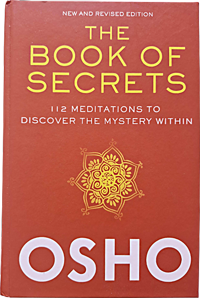
The best entry point for a Western reader is Osho's The Book of Secrets, a verse-by-verse commentary on all 112 sutras drawn from hundreds of hours of recorded discourse.
Osho had a rare gift for taking a Sanskrit verse that could read as opaque and making its experiential meaning immediately felt. He explains not just what each technique is indicating, but why it works, what it is doing to consciousness, what it is pointing toward. It is the most thorough and readable guide to this text available in English, and it belongs on the shelf of anyone who is sincere about Tantra.
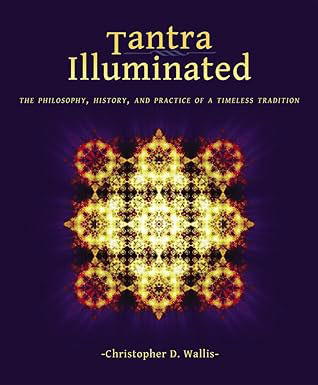
Tantra Illuminated: The Philosophy, History, and Practice of a Timeless Tradition — Christopher Wallis (Hareesh)
Tantra Illuminated presents the first accessible introduction to this sacred tradition in the English language, drawing directly from translations of primary Sanskrit sources to reveal Tantra's rich history and powerful teachings.
Christopher Wallis, known as Hareesh, holds a Master's in Sanskrit from UC Berkeley and an M.Phil in Classical Indian Religions from Oxford, and has spent over thirty years as both scholar and practitioner within the Shaiva Tantra lineage.
What the book does particularly well is dismantle the misinformation that has accumulated around Tantra in the West. He treats the tradition with love while holding it to rigorous standards. For a beginner, this is the book that will give you an accurate map of the territory before you start exploring it.
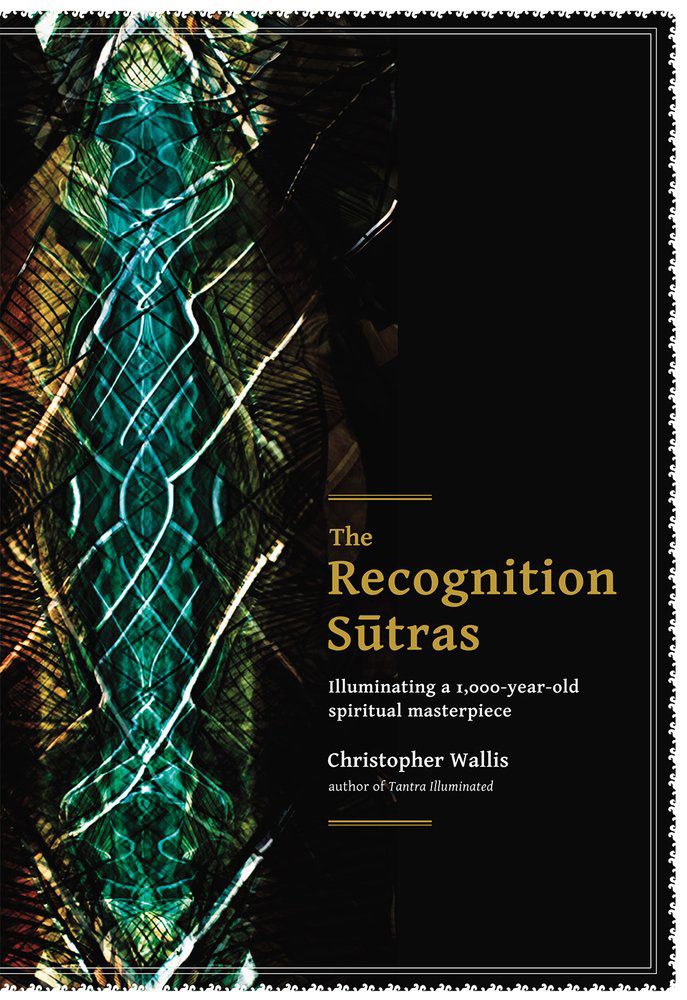
The Recognition Sutras — Christopher Wallis (Hareesh)
Wallis's second major book tackles the Pratyabhijna-hrdayam, an 11th-century Kashmir Shaivism text by Kshemaraja that distils the non-dual Shaiva philosophy into 20 sutras. Where Tantra Illuminated is panoramic, The Recognition Sutras is a complete translation with line-by-line commentary aimed at illuminating the philosophical heart of the tradition. The central teaching is the one this entire article has been circling, that the ordinary mind is already divine awareness, and the practice of Tantra is fundamentally the practice of recognition. This book is more demanding than Tantra Illuminated but extraordinarily rewarding for readers willing to sit with it.
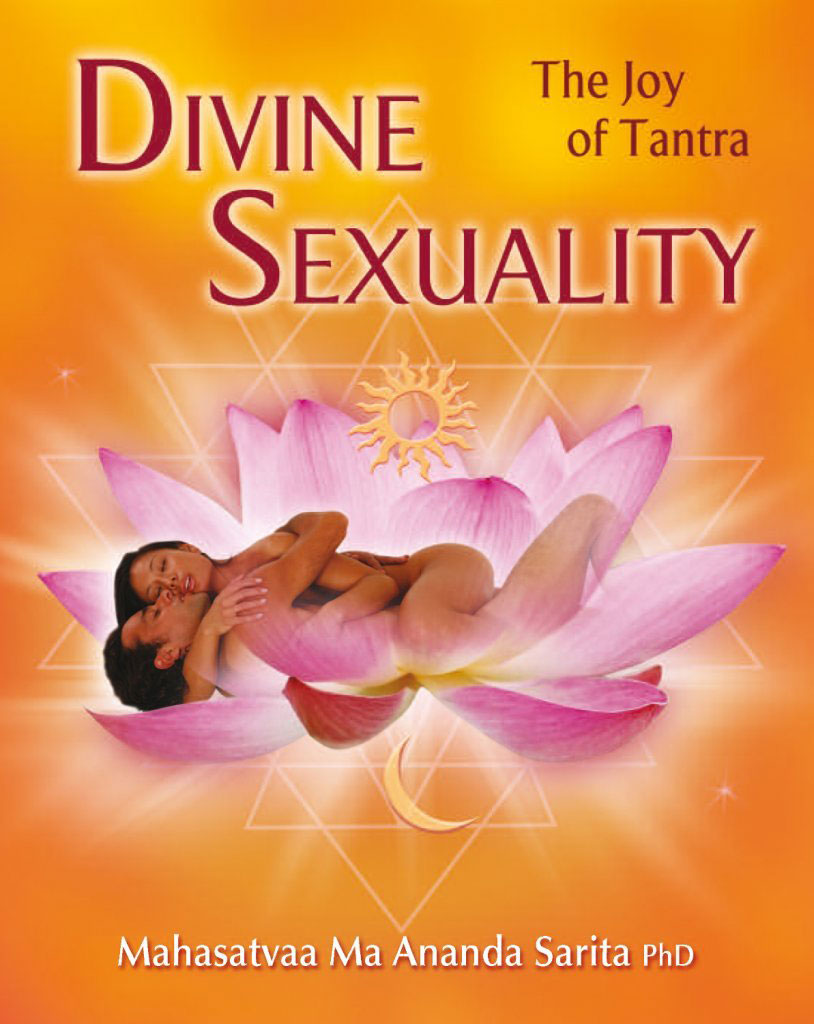
Divine Sexuality: The Joy of Tantra — Ma Ananda Sarita
This is the book I would hand to anyone who has grasped the philosophical foundation and wants to understand how Tantra actually meets the body, sexuality, and intimate relationship. Sarita spent 17 years in direct proximity to Osho, and a total of 26 years in his community, receiving personal guidance and absorbing the living transmission of Tantric teaching from someone who spoke from direct experience. She has been teaching in her own right since 1990 and founded Tantra Essence School in 2008. Divine Sexuality was written in response to the many questions she received over the years about sexuality, love, and relationship, from the recognition that there is a real gap in sexual education even for adults, and that the wisdom from her years of experience in Tantra could be of genuine benefit to people of all ages.
The book offers a rare blend of well-researched scientific information about sexual physiology, down-to-earth simple tantric practices, inspiring spiritual teachings, and artful illustration, presenting the full spectrum from anatomy to sacred union within the same pages. It covers sexual anatomy, self-pleasuring practices, couples work, orgasm, and the meeting of sex and spirit, and does all of it with a grounded reverence that reflects decades of genuine practice and teaching.
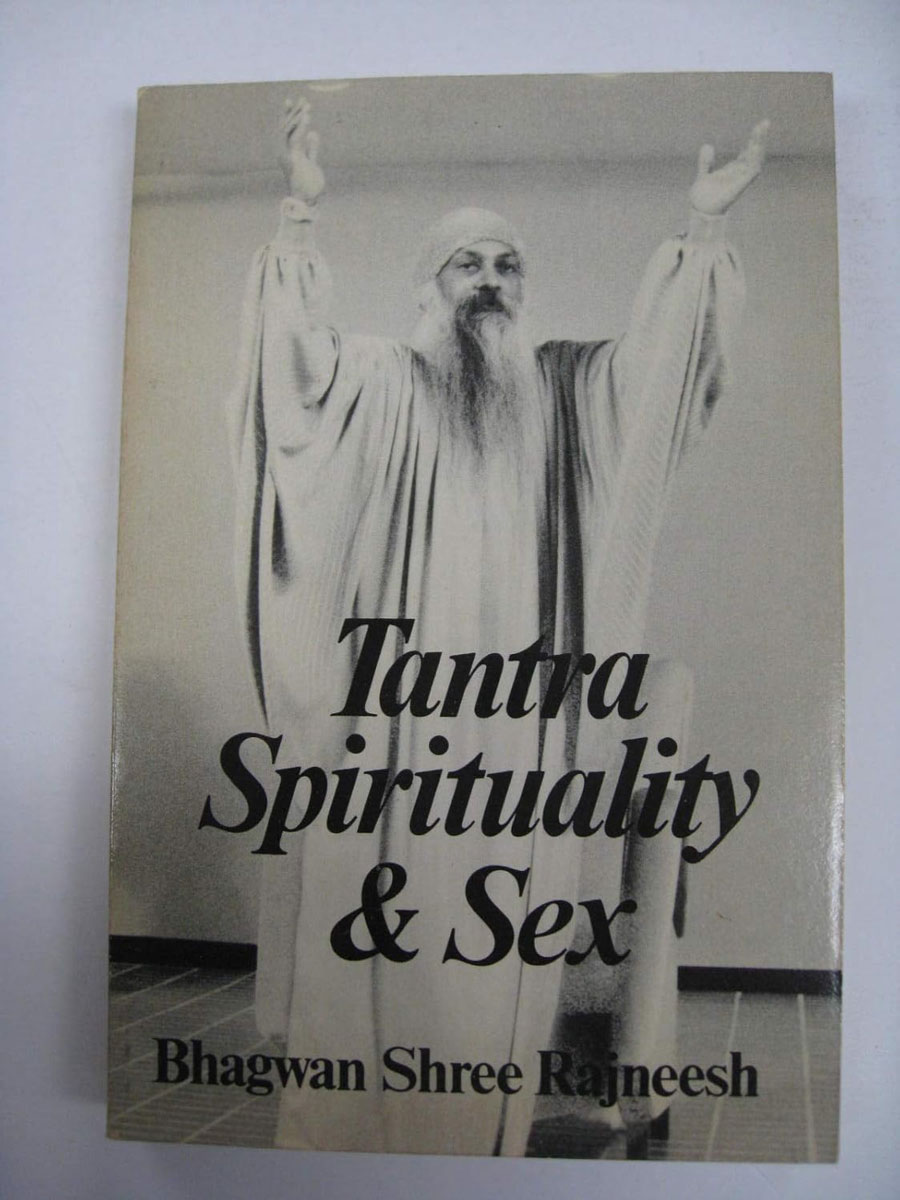
Tantra: Spirituality and Sex — Osho
Shorter and more focused than The Book of Secrets, this volume goes directly to the question that most Western seekers are really asking: what does Tantra actually say about sexuality, and how does sexuality become a path rather than an obstacle? Osho's answer is characteristically direct. The message of Tantra endorses his understanding that only through total acceptance of ourselves can we grow. The invitation is not to live a repressed life, but to move into full expression, creativity, and joy within the crucible of meditation. It is a precise teaching about the difference between unconscious discharge and conscious transformation, and why the former keeps us small while the latter can be genuinely liberating.
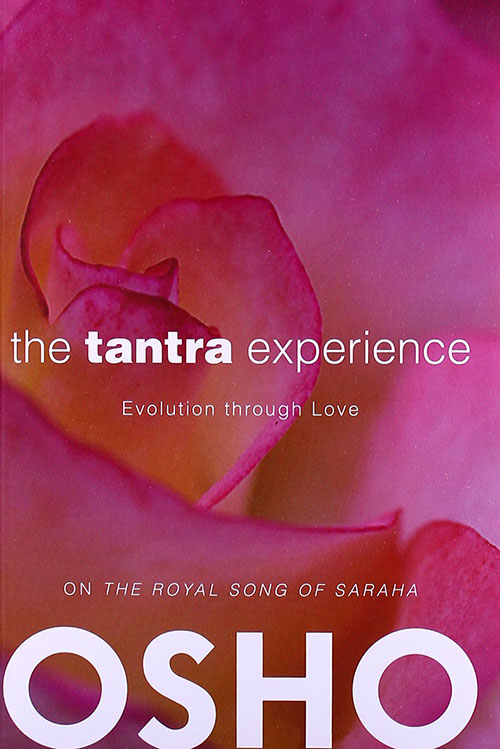
The Tantra Experience — Osho
Based on discourses given on the Royal Song of Saraha, one of the foundational texts of Vajrayana Buddhism, this book takes Tantra into a more philosophical and mystical register than the previous two. Saraha was a great Indian Mahasiddha whose dohas (spontaneous songs of realization) are among the most beautiful expressions of non-dual awakening in any tradition. Osho's commentary illuminates why Tantra insists that reality has no division between higher and lower, that the mundane and the sacred are not two different things requiring two different approaches, but one undivided reality that becomes transparent when met with full awareness.
One of the most useful things you can do before stepping into any workshop, retreat, or teacher's orbit is read. Not to replace real transmission — books cannot do what direct teaching does — but to build enough understanding that you know what questions to ask, what to trust, and what to walk away from. The reading list below is curated with that purpose in mind. These are not coffee-table books full of atmospheric photography. They are real working texts that will genuinely orient you in this tradition.
Begin Your Tantric Journey
If you have read this far, something in you already knows that Tantra is a complete path, one that asks for genuine commitment and the willingness to be changed in ways you cannot fully predict or control in advance.
That is exactly what makes it worth pursuing.
The question most people arrive at after genuine exposure to Tantra is, where do I begin, and with whom? A real path requires a real teacher. A real teacher means someone working within a living lineage, someone who has done the inner work themselves and can guide you through yours.
My own journey began with Ma Ananda Sarita and Tantra Essence, and that encounter reoriented the way I understood myself, my body, my relationships, and the nature of consciousness itself. I say this not to be promotional about it but because it is true, and because if I am going to write a guide to beginning a Tantric journey, the most honest thing I can offer is where my own began.
What Sarita's teaching carries that is rare in the contemporary landscape is precisely what this article has been pointing toward, which is real depth, real lineage, and an understanding of Tantra that integrates the full spectrum, which includes the philosophical, the devotional, the energetic, and yes, the erotic. The courses she offers are structured initiations into a different relationship with yourself.
For those ready to begin, three courses stand out as genuine entry points depending on where you are and what you are ready to meet in yourself.
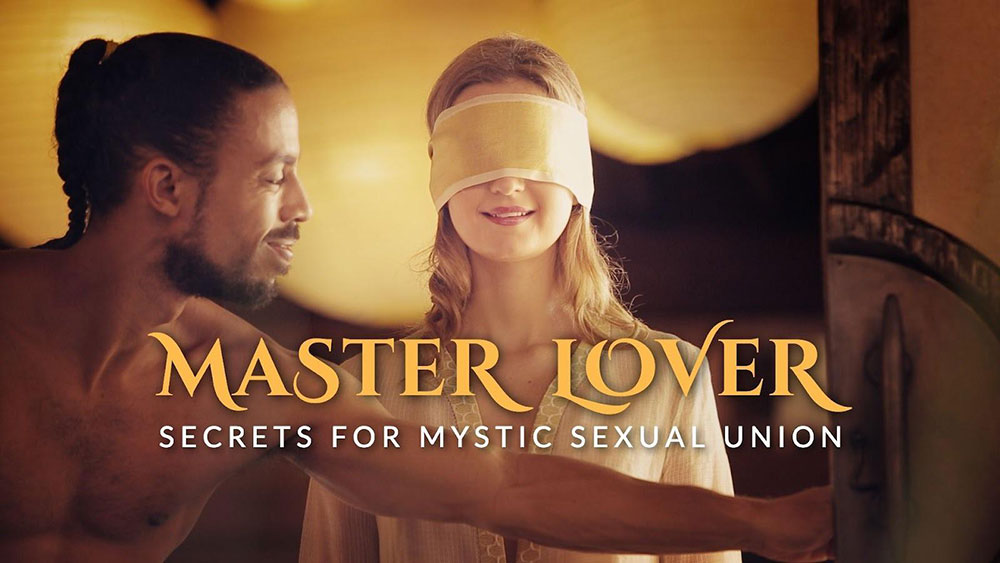
Master Lover is an online course that takes you through a complete transformation in how you approach love, pleasure, and human connection. It covers the full spectrum of what genuine intimacy requires and the inner work that makes all of it possible, so that what you learn translates into lasting fulfilment.
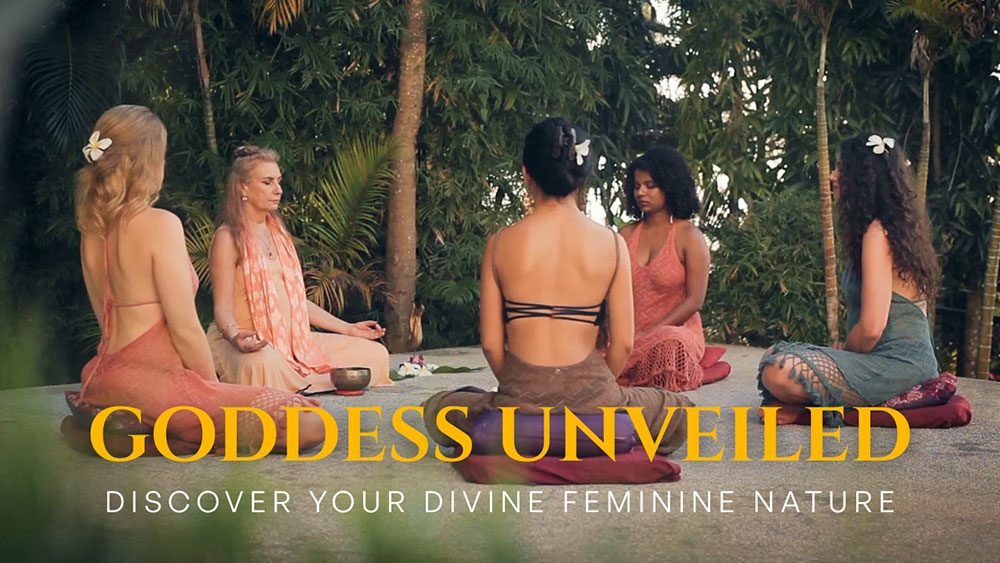
The Goddess Unveiled is an empowering program for women ready to reconnect with their innate feminine radiance and reclaim their power. It offers a whole new framework for understanding and embodying authentic womanhood, moving beyond the conditioning and self-doubt that keep most women disconnected from their own beauty, sensuality, and inner authority.
Women's Erotic and Emotional Fulfillment is a course designed to help women break free from inhibitions and reconnect with their natural capacity for pleasure and deep emotional connection. It works directly with the stagnations that keep erotic and emotional life feeling separate or out of reach, and offers practical tools for integrating them into a single, embodied experience.
If something in you has been stirred by what you have read here, if the vision of Tantra as a complete path toward genuine liberation, lived fully through the body and through relationship, resonates as something true, then they are worth your serious attention.
The path requires only that you be honest about where you actually are, genuinely willing to be shown what you cannot currently see, and courageous enough to begin.
Everything else follows from that.
Author