What Is Black Tantra? A Deep Dive into Its Origins & Practices
Feb 16, 2026
Black Tantra is a Tantric path that uses the taboo, which includes sex, death, fear, desire as a direct and accelerated route to enlightenment. Where most spiritual traditions teach you to suppress desire and slowly purify yourself over years or even lifetimes, black Tantra has a very different approach.
It says the fastest way to liberation isn't moving around the darkness, it's moving directly through it. Rooted in the left-hand path of ancient Hindu and Buddhist traditions, black Tantra works with raw sexual energy and shadow aspects of the human psyche because these are the places where the most powerful transformation lives. The things you resist, repress, and refuse to look at are exactly what keep you stuck.
Black Tantra demands that you face them because on the other side of that confrontation is the kind of awakening that no amount of safe, comfortable practice can touch. It's one of the most misunderstood paths in the Tantric tradition, and in this article, we're breaking down what it actually is and what it means.
What is Black Tantra?
Black Tantra works with the raw, primal, and often feared aspects of human experience as tools for rapid spiritual transformation.
In the Tantric context, the word "black" refers to absorption. Just as the colour black absorbs all light and heat, Black Tantra absorbs all experience, such as pleasure, pain, fear, desire and uses it as raw material for power and liberation. Nothing is rejected. Nothing is off-limits, and everything becomes part of the practice.
Black Tantra is also oriented toward the development of siddhis, which is magical or supernatural powers, and the ability to shape reality through focused intention, ritual, and energy work.
One of the most defining aspects of Black Tantra is how it teaches impermanence. In certain lineages, this was built into the initiation process itself. Disciples were taken to cremation grounds, known as smashanas, and instructed to meditate surrounded by death.
Black Tantra forces the body and mind to stay calm in the presence of something every instinct tells you to run from. This is also why cremation ground practices were paired with other taboo-breaking rituals like eating from skull bowls, wearing ash from the dead, sitting naked in the cold. Each one was designed to dismantle a specific layer of conditioning. Social identity, physical comfort, disgust, and pride was systematically stripped away until the practitioner could sit in any experience without resistance.
The result was someone who could work with the most volatile energies without being destabilised.
The Philosophy of Embracing Darkness: Why Black Tantra Matters
Black Tantra is about embracing the aspects of life and self that are often shunned or deemed socially unacceptable. Instead of rejecting what feels dark or uncomfortable, Black Tantra teaches that true liberation comes from integrating all parts of oneself, light and shadow, bliss and rage, creation and destruction.
Black Tantra acknowledges that human nature is inherently complex and that pushing down desires, fears, and primal instincts only makes them more powerful. Rather than caging these forces, practitioners of Black Tantra open the doors, letting the chaos out.
It insists that nothing is too dark to be seen or too raw to be expressed.
The Origins and Evolution of Black Tantra
Black Tantra grew out of three ancient spiritual traditions: Shaiva Tantra, Shakta Tantra, and Vajrayana Buddhism, each one contributing a different layer to what Black Tantra eventually became. To understand this path, you need to understand where it came from and what the people who built it were actually doing.
Shaiva Tantra
Shaiva Tantra is rooted in the worship of Shiva. The Shaiva tantrics believed that spiritual realization came from recognising that you are already divine and that the separation between you and the universe is an illusion.
For Black Tantra, this became the philosophical backbone. The idea that nothing needs to be rejected and that every experience, no matter how dark or intense, can become a vehicle for spiritual growth comes directly from the Shaiva tradition. The Shaiva tantrics understood that you can't transcend what you refuse to face.
Shakta Tantra
Shakta traditions centre on the worship of the Divine Feminine, Shakti, in her most fierce and unfiltered forms. This includes Kali, the destroyer of illusions. The Yoginis, wild feminine spirits who were said to gather in cremation grounds and wild places. And Kundalini energy, the dormant serpent force coiled at the base of the spine, waiting to be awakened.
In Shakta Tantra, sexual union is used in ritual with the specific intention of generating enough Shakti to force open all the chakras and push consciousness beyond its ordinary limits. This is where the sexual practices that define much of Black Tantra originated.
Vajrayana Buddhism
The third stream that feeds into Black Tantra is Vajrayana Buddhism, particularly in its Tibetan form. Mainstream Buddhism teaches gradual detachment which includes slowly releasing desire, attachment, and illusion over many lifetimes until you reach enlightenment.
Vajrayana practitioners used desire, wrath, fear, and even death as catalysts for awakening. Instead of suppressing these energies, they amplified them deliberately and then transmuted them into wisdom. This is where the Tantric practice of deity yoga comes from, which involves visualising yourself as a wrathful or sexual deity, merging your consciousness with theirs, and using that fusion to access states of awareness that would take decades to reach through meditation alone.
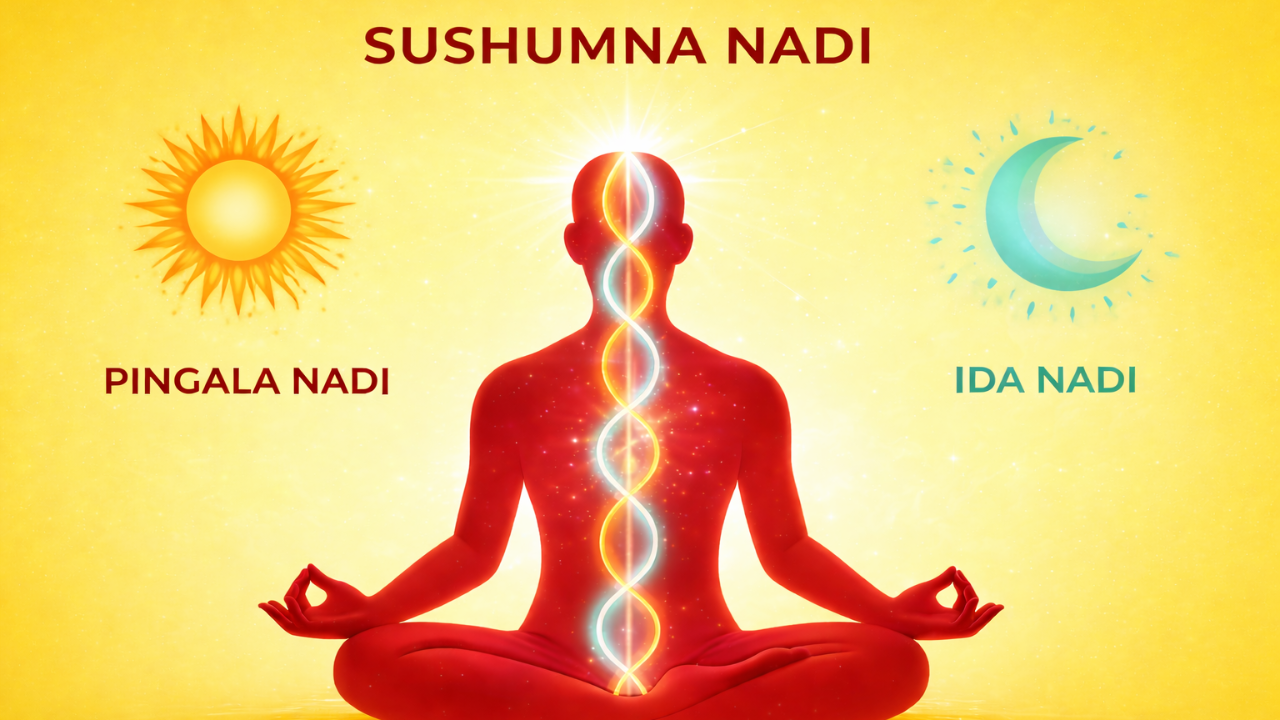
In the sexual consort practices of Vajrayana, known as karma mudra, a practitioner would enter sexual union with a trained consort, and together they would use breath, visualisation, and mantra to circulate energy through the channels (nadis), the winds (prana), and the drops (bindus). The goal was to draw Kundalini energy upward, activate all the chakras in sequence, and ultimately dissolve the boundary between self and universe.
Vajrayana also contributed the concept of magical powers, which are called siddhis, as a natural byproduct of advanced practice. Clairvoyance, the ability to influence physical reality, and mastery over the elements were recognised as signs that the practitioner's energy work was genuine. In Black Tantra, the development of siddhis became a marker of progress.
The People Who Shaped Black Tantra
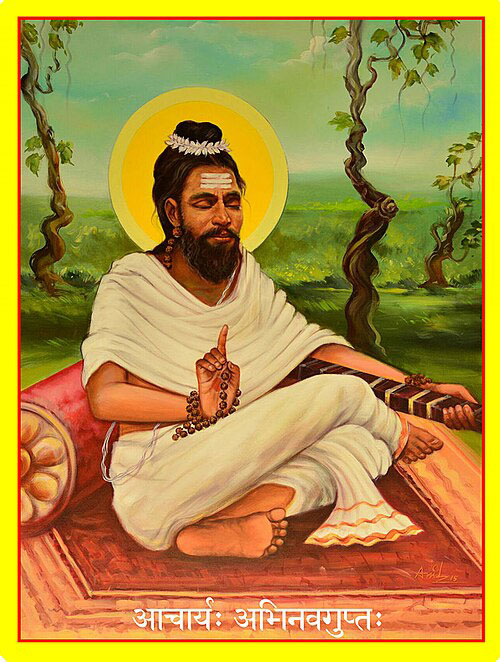
Abhinavagupta and the Tantraloka (10th Century)
Abhinavagupta is one of the most important figures in the entire Tantric tradition. A philosopher, mystic, and practitioner from Kashmir, he wrote the Tantraloka, a massive, encyclopaedic text that maps out the full spectrum of Tantric practice, from the devotional to the transgressive. His work includes detailed descriptions of sexual rites, cremation ground rituals, and practices involving deity fusion through mantra and visualisation.
What made Abhinavagupta unique was his insistence that liberation was about engaging with the world so fully that the boundary between self and reality dissolves. Black Tantra's entire orientation traces back to his work.
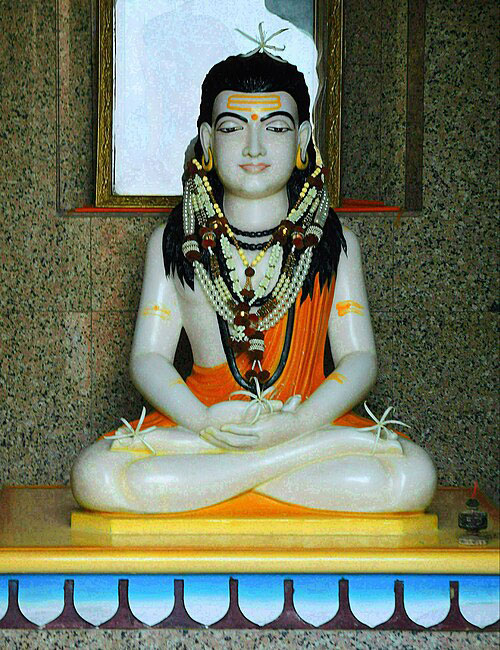
Gorakhnath and the Nath Yogis (11th Century)
Gorakhnath developed and refined techniques like kumbhaka (breath retention), bandhas (body locks), and advanced methods for Kundalini arousal and sexual transmutation. His lineage, the Nath Yogis, became known for their mastery of the subtle body, which includes the ability to move energy through the channels, activate the major chakras, and sustain heightened states of awareness for extended periods.
Gorakhnath understood that without a strong physical and energetic foundation, the intensity of advanced Tantric work would break the practitioner rather than liberate them. His techniques became the preparatory practices that disciples had to master.
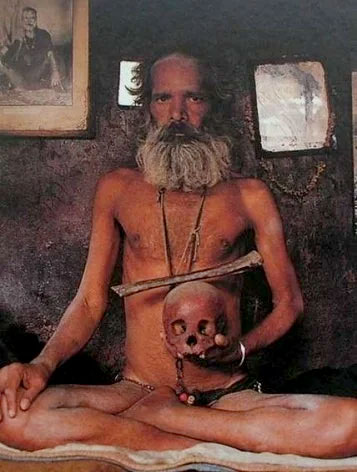
The Kapalikas (5th–12th Century)
If there's a lineage that most directly embodies what people think of when they hear "Black Tantra," it's the Kapalikas. These were skull-bearing ascetics who worshipped fierce goddesses through blood offerings, sexual union, and rituals performed in charnel grounds. They carried human skulls as begging bowls. They smeared themselves in cremation ash. They lived at the edges of society, deliberately breaking every social and religious norm as a form of spiritual practice.
Their entire practice was built on the principle that duality, which is the split between sacred and profane, pure and impure, life and death, is the fundamental illusion that keeps human beings trapped. By immersing themselves in what society considered the most impure and forbidden, they dissolved that split from the inside out. Many of the Aghori practices that still exist today trace their ritual structure back to this lineage.
Vajrayana Buddhist Mystics (8th–12th Century)
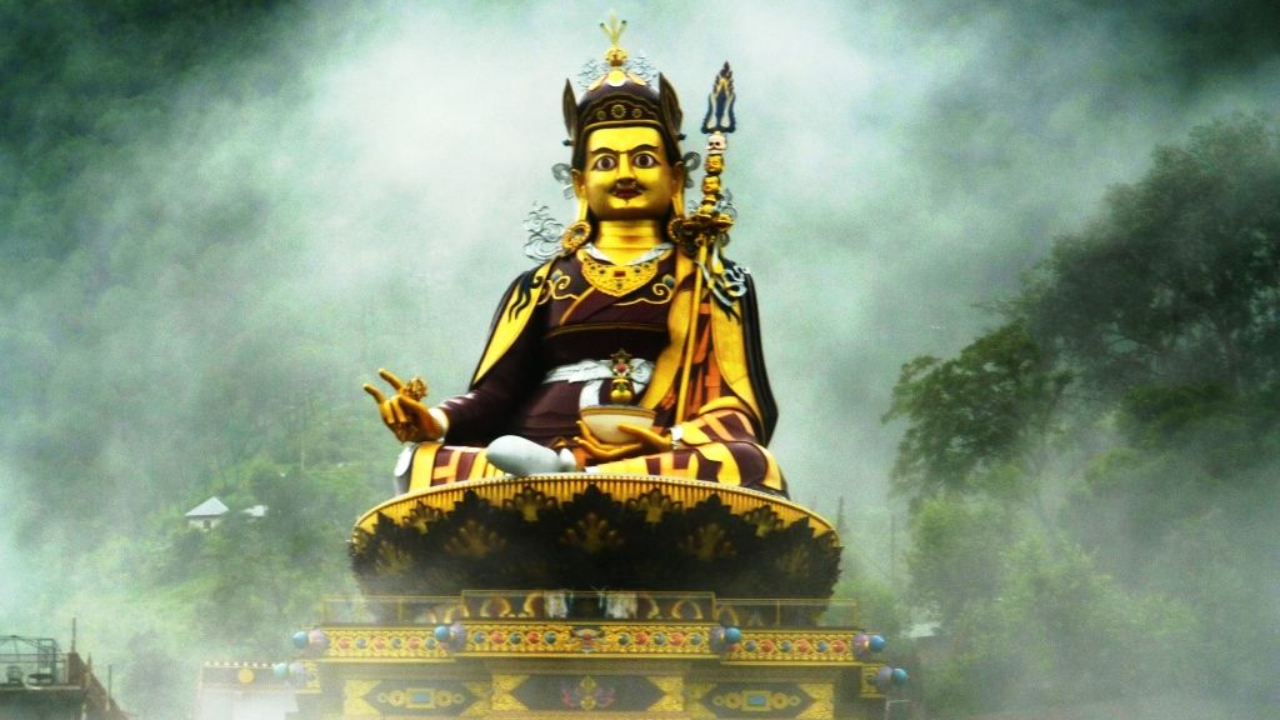
While mainstream Buddhism kept its distance from Tantra's more extreme edges, Vajrayana monks and mystics leaned all the way in. Figures like Padmasambhava, who brought Vajrayana Buddhism to Tibet, and the Mahasiddhas, a group of 84 enlightened masters who came from every level of society.
The Mahasiddhas are particularly significant because they proved that this path wasn't reserved for monks or scholars. Among them were kings, fishermen, prostitutes, and outcasts. Their stories show that spiritual connection and awakening through Tantra didn't require a perfect life or a pure starting point, it required the willingness to use whatever life gave you as fuel for transformation.
This is one of the most important things Black Tantra inherited from the Vajrayana tradition, the understanding that enlightenment is available to anyone willing to do the work, regardless of background or status.
Other Types of Tantra
1. White Tantra (Dakshini Marga)
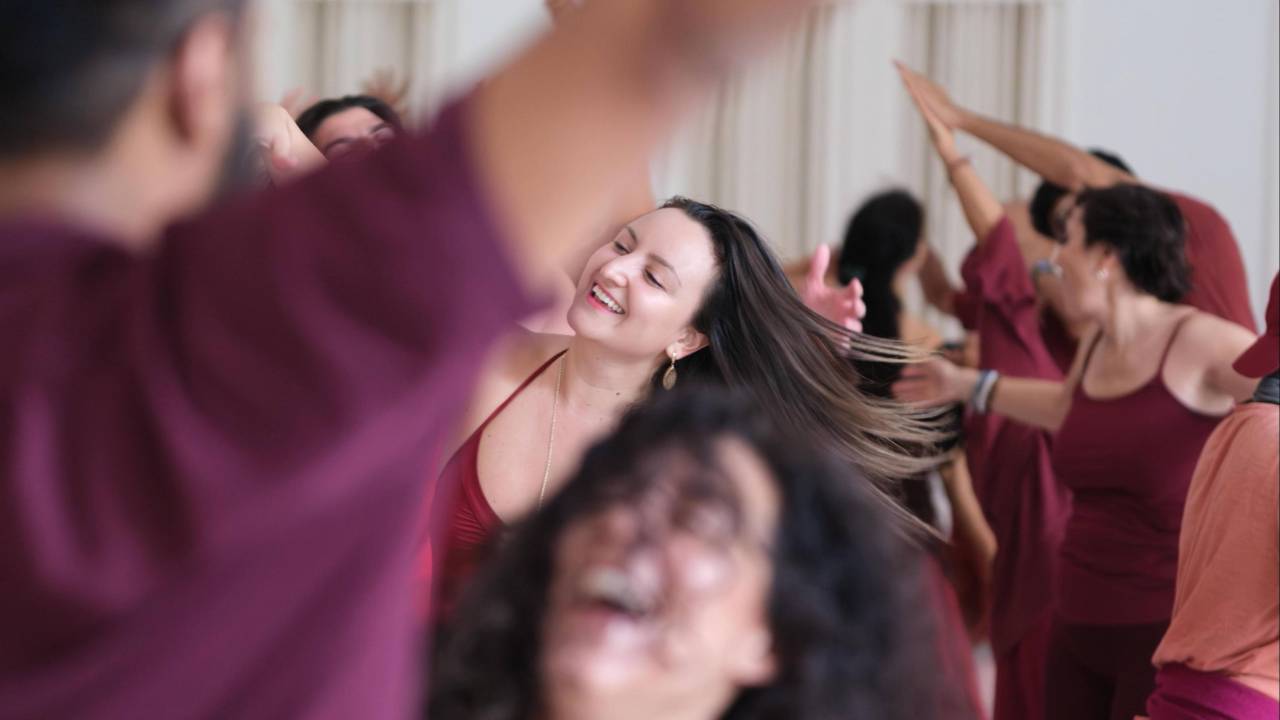
White Tantra is a structured, meditative group practice that uses synchronized movement, mantra chanting, and breathwork to raise consciousness. Often practiced in large gatherings, it’s designed to purify the subconscious mind, release emotional blocks, and align spiritual energy through coordinated energy work.
Practitioners sit across from each other, maintaining eye contact while engaging in breathing patterns, chants, or mudras in unison. The mirroring acts as a spiritual amplifier. Long periods of mantra repetition (japa), breath retention (pranayama), and stillness are used to quiet the mind and shift awareness.
2. Red Tantra (Vama Marga)
Red Tantra is a form of Tantric practice that uses sexual energy and heightened sensory experience as deliberate methods of awakening. It places practitioners inside intense sensation and trains attention to remain fully present within that intensity. Drawing on non-dual Tantric sources such as the Vigyan Bhairav Tantra, Red Tantra works by stabilizing awareness in the moment where sensation peaks, allowing the sense of a separate self to loosen and consciousness to be directly recognized through embodied experience.
3. Pink Tantra
Pink Tantra refers to a Tantric path centered on compassion and the embodied expression of love. Pink Tantra centers on practices of devotion, gratitude, tenderness, and relational presence. It sees the heart as the primary field of awakening, using acts of care, service, ritualized appreciation, and conscious affection to dissolve separation. In Pink Tantra, love itself becomes the practice.
4. Grey Tantra
Grey Tantra is a balanced and integrative approach to Tantra that combines elements of both White Tantra (spiritual and meditative practices focused on purity and enlightenment) and Black Tantra (practices that embrace primal energy, shadow work, and the raw aspects of human nature). It seeks harmony between the spiritual and the sensual, the light and the dark, without prioritizing one over the other.
The essence of Grey Tantra is finding balance between ascension and embodiment. While White Tantra aims to purify and uplift the spirit through practices like meditation, breathwork, and mantra chanting, and Black Tantra delves into the shadow, primal instincts, and raw sexuality, Grey Tantra integrates both aspects. It acknowledges that to achieve holistic growth, you must honor both the higher self and the primal self.
Varanasi & Black Tantra
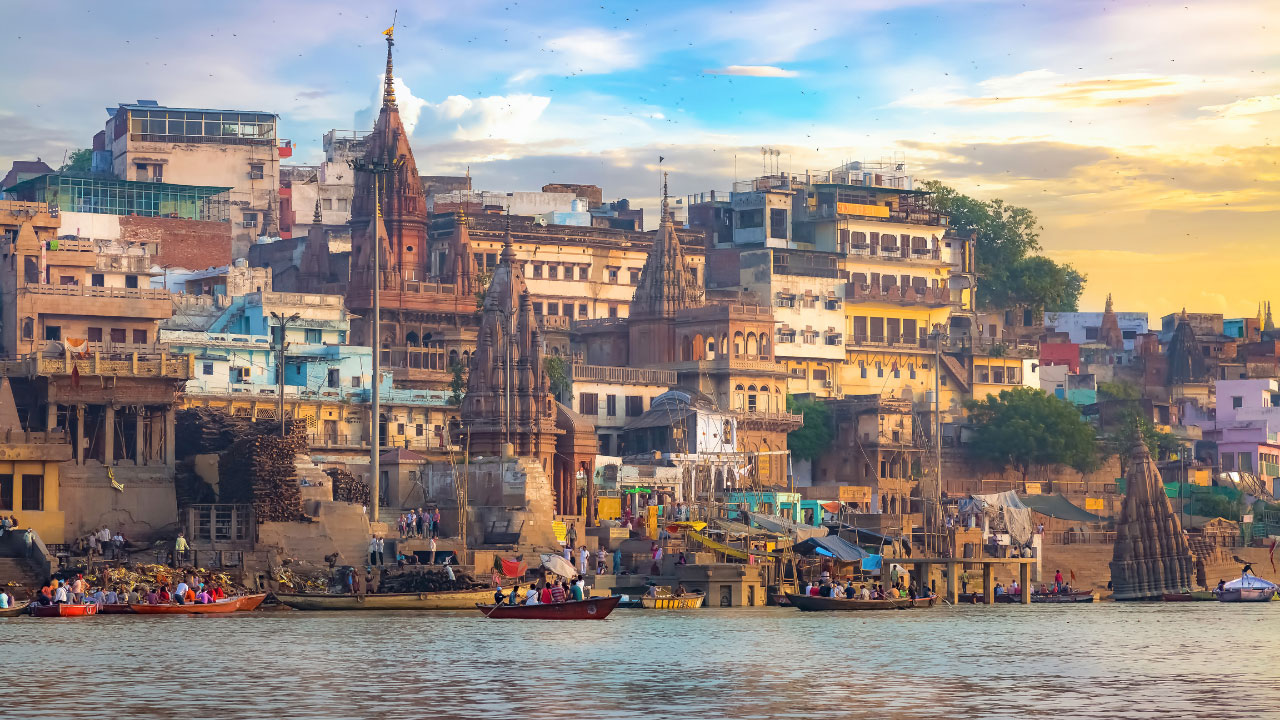
When I think of Varanasi, I think of Black Tantra.
To me, everything Black Tantra stands for is playing out on the streets of Varanasi every single day. Death in the open. Fire burning around the clock. Bodies carried through narrow lanes on bamboo stretchers. Ash on the river. Grief and prayer side by side. Nothing hidden, nothing sanitised, nothing made comfortable for the sake of appearances.
Varanasi, also known as Kashi, the City of Light, is one of the oldest continuously inhabited cities in the world. It sits on the banks of the Ganges in northern India, and for thousands of years it has been the place where Hindus come to die. Dying in Varanasi is said to grant moksha, instant liberation from the cycle of birth, death, and rebirth. Funeral pyres burn 24 hours a day at the Manikarnika and Harishchandra ghats. Death isn't something this city tolerates. It's the centre of everything.
For Black Tantra, that makes Varanasi the closest thing to a spiritual home. Everything the path demands which includes confrontation with impermanence, immersion in the taboo, the dissolution of the boundary between sacred and profane is woven into the fabric of this city and has been for centuries.
The Cremation Grounds as Living Practice
The smashana practices, which includes meditating among the dead, sitting with burning bodies, using human remains in ritual are directly tied to places like Varanasi. The burning ghats are essentially open-air cremation grounds that never stop operating.
Tantric practitioners, Aghoris, and sadhus have been drawn to Varanasi's cremation ghats for centuries because of this energy. The Aghoris, among the most visible inheritors of Black Tantra's cremation ground traditions, have maintained a presence here for generations. They live near the burning ghats, meditate among the pyres, and perform rituals that most people find deeply unsettling. They eat from skull bowls and they smear their bodies in cremation ash. They sit with death as casually as most people sit with morning coffee.
Shiva's City
The city is considered the earthly home of Shiva, specifically Shiva in his form as Kala Bhairava, the fierce, time-devouring aspect that sits at the centre of Black Tantra's practice. The Kala Bhairava temple in Varanasi is one of the most important sites for tantric practitioners. Kala Bhairava is the destroyer of illusion, the lord of death, and the guardian of the city itself. According to tradition, nothing happens in Varanasi without his permission.
The Doms: Keepers of the Eternal Flame
There's one detail about Varanasi that connects directly to Black Tantra's relationship with death and social taboo, the role of the Dom community. The Doms are the hereditary keepers of the sacred fire at Manikarnika Ghat, a flame that has reportedly been burning continuously for thousands of years. Every funeral pyre in Varanasi is lit from this fire. Without the Doms, no cremation takes place.
Historically, the Doms occupy one of the lowest positions in India's caste system and are considered "untouchable" because of their constant proximity to death. And yet in Varanasi, they hold absolute power over the most sacred act in Hindu life. Kings, priests, and the wealthiest families all depend on the Doms to light the fire that grants their loved ones liberation.
The Practices of Black Tantra
Meditation Techniques Unique to Black Tantra
1. Shava Sadhana – Meditation on a Corpse
Shava Sadhana is one of Black Tantra's most important, most difficult and most secret rituals. This ritual is traditionally performed in cremation grounds or near symbols of death, where practitioners meditate on a corpse or visualize their own body decaying into dust.
The goal is to dissolve fear, ego, and attachment to the physical form. When you can sit face-to-face with your own mortality and remain still, the mind’s illusions begin to collapse. The body becomes secondary. All that remains is raw consciousness.
2. Bhairava Meditation - Activating the Third Eye and Crown Chakra
Bhairava, the fierce form of Shiva, embodies the violent clarity of awareness unbound by time, fear, or form. This practice activates the Ajna (Third Eye) and Sahasrara (Crown) chakras, breaking the trance of ordinary perception and inviting in radical states of awareness. You sit with eyes open, gazing into a flame, a dark void, or a Shiva Lingam, training your consciousness to hold form without flinching.
The mantra “Om Bhairavaya Namah” becomes your tether. You chant it mentally, without movement or expectation. It’s a confrontation with the edge of what your mind believes is possible. As thought dissolves, a different vision begins to emerge, one not shaped by ego but by pure, detached knowing.
3. Kala Bhairava Practices – Breathwork and Mantras for Deep Energy Activation
Kala Bhairava is the terrifying clock of time, the form of Shiva that devours illusion, inertia, and fear.
Black Tantra uses his energy to break stagnation and trigger Kundalini activation through breath and sound. This practice combines aggressive breathwork with guttural mantras, charging the body with Shakti and opening the Sushumna Nadi (central energy channel).
You inhale through the nose, exhale with a growl that’s primitive, rhythmic, powerful. On each breath out, you chant “Hrim Bhairavaya Namah,” vibrating it into your bones.
It’s a full-body jolt of energy, awakening the nerves, heating the spine, and shaking the ego loose. After 7–10 minutes, the body vibrates, the mind shifts, and the awareness expands. Where other paths might ask you to suppress desire or transcend the body, Black Tantra invites you to electrify it and ride that voltage straight into liberation. Similar to kundalini yoga, these practices aim to awaken and channel energy through the body.
Mantras Specific to Black Tantra
1. Kali Mantra for Kundalini Awakening
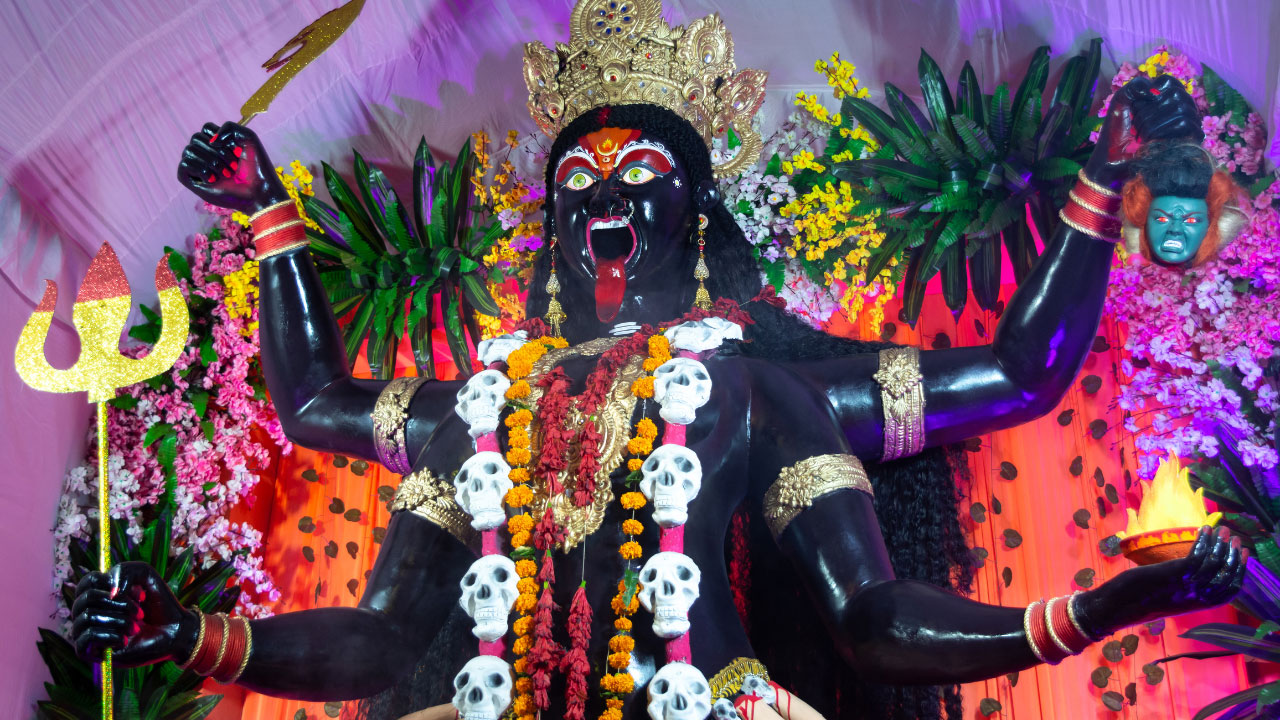
The Kali Mantra, "Om Krim Kali Ma", invokes the fierce energy of the Goddess Kali, the destroyer of illusions and liberator of suppressed emotions. This mantra is a spiritual practice that calls upon the intense feminine force, known for cutting through fear and awakening the dormant energy at the base of the spine, known as Kundalini.
Chanting "Om Krim Kali Ma" repeatedly creates a powerful vibrational field that ignites what is often called the "black fire" through the spinal column. This fire rises through the energy centers (chakras), forcing emotional release and energetic clearing. As you chant, visualize the energy moving upward, burning away blockages and past traumas, resulting in complete shadow integration.
2. Bhairava Mantras – Invoking Shiva’s Fierce Form
Bhairava, the fierce aspect of Lord Shiva, represents the power of destruction, particularly the destruction of illusion and attachment. The mantra "Om Bhairavaya Namah" calls forth this force, grounding the mind in stillness amid internal chaos.
This is not a gentle meditation. It challenges you to confront your deepest fears and attachments. As you chant, feel the stability and resolve of Shiva within you. This mantra builds mental strength, allowing you to remain composed even when your inner world feels tumultuous.
3. Aghori Mantras – Using Sound to Transcend Social Conditioning
The Aghori path challenges societal norms and encourages embracing the entirety of human experience, both dark and light. The mantra "Aham Brahmasmi", which translates to "I am Brahman" or "I am the universe", is a powerful practice of ego dissolution and self-realization.
When repeated while looking into a mirror, this mantra confronts you with the raw truth of your existence, devoid of identity or conditioning. The mirror practice helps dissolve the layers of societal and personal conditioning, pushing you towards a state of pure, boundless awareness.
Conclusion
Black Tantra is not a path for the faint of heart. It’s raw, intense, and unapologetically real. It calls you to confront the parts of yourself you’ve hidden away, the rage, the desire, the primal instincts that society often tells you to suppress. In this practice, there is no bypassing pain or masking truth. Instead, you dive deep, face your shadows head-on, and emerge more integrated, powerful, and alive.
This path is about reclaiming your wholeness, embracing both light and dark, love and chaos, tenderness and ferocity. Choosing Black Tantra means choosing to know yourself beyond illusion, beyond social conditioning, and beyond fear. It’s a journey of confronting what makes you human and sacred at the same time. And when you embrace that truth, you become undeniably powerful, rooted in both your primal nature and your highest potential.