What Are Rituals? How Ceremony Shapes Healing & Connection
Jan 30, 2026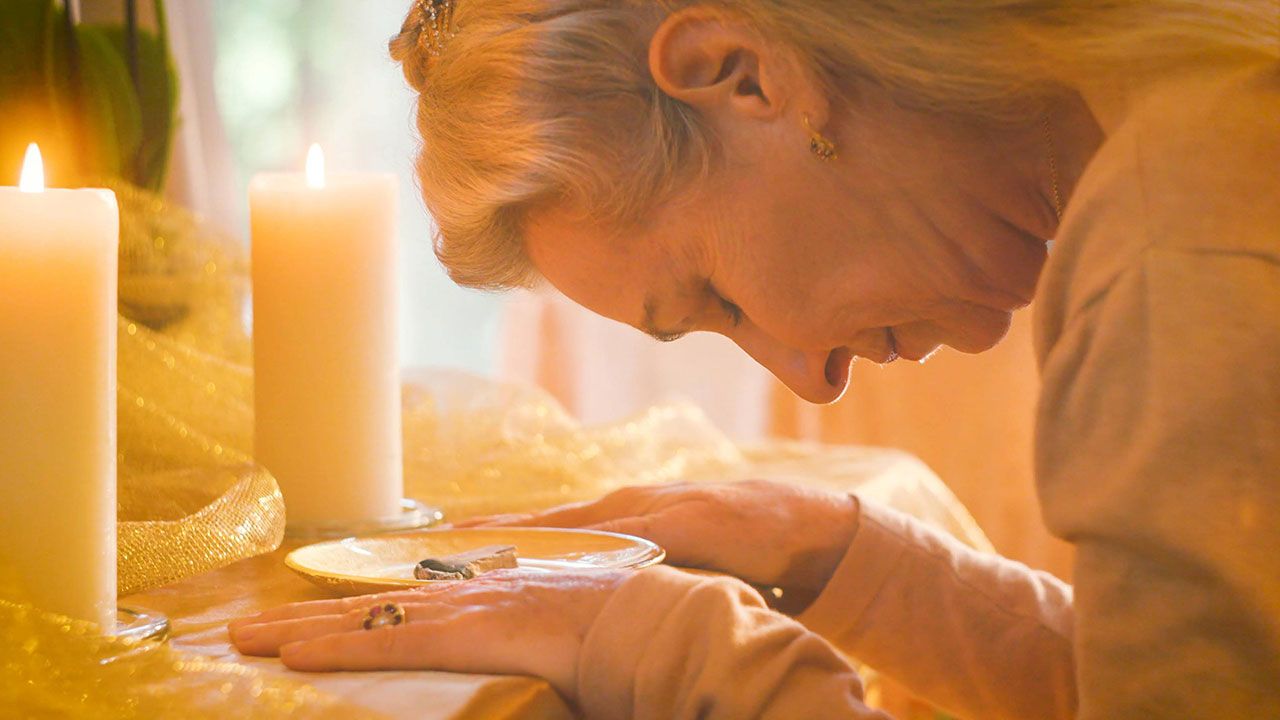
In a Level 6 Soul Mate Group for couples, on the last day, the women were treated to a two hour “Trust Ritual”, an offering of devotional love from the men. It was beautiful to be a witness to such exquisite ‘poetry in motion’.
It began with the women entering blindfolded into a tunnel of sacred sound, made by the men, and two hours later, the women emerged from the ritual looking blissed out and blessed, having been loved from head to toe in many different manifestations of masculine adoration.
Earlier in the week-long group, couples had gone through another ritual called the ‘Marriage of the Soul.’ As they stepped into the inner sanctum of a candle lit Yantra, the magic in the room was palpable. We could literally see the descent of grace blessing each couple.
What Is The Definition of Ritual?
I love rituals, particularly those in service of enlightenment. Some persons reading this may wonder how a ritual is defined. What is a ritual exactly? A ritual is an outward manifestation of conscious intent. Below I list some of the ways we perform rituals in our everyday life:
- Tooth-brushing
- Regular meditation practice
- Yoga or other forms of exercise we do daily
- The way we make and eat our breakfast
- Clinking glasses and making a toast before drinking wine
- Blessing of food before eating
- Surrendering to the way the beautician or hairdresser offers us pampering and beautifying
- Dinner out in a candlelit restaurant with various courses being served
- Getting engaged
- Getting married
- Going to a Church or a Temple
- Mantra chanting
Ritual Throughout History
From the moment human beings began to gather in tribes, ritual arose as a way to bring coherence to life on Earth. Long before we had formal language, rituals were expressed through symbolic behaviour. Through cultural transmission, these rituals carried wisdom across generations, ensuring that essential knowledge about life, death, love, and belonging was preserved.
In every culture, rites of passage marked the great thresholds of life. Birth, puberty, partnership, initiation, and death were never left to chance. Ritual gave these transitions honor and importance, helping individuals cross from one state of being into another.
Anthropologists and scholars working within ritual studies and other social scientific disciplines have consistently observed that ritual is universal. Whether expressed through formal religious practices, village ceremonies, or intimate personal rituals, initiation and ceremony appears wherever humans live.
From the perspective of sociological theories, ritual has long been understood as a force that binds communities together. Émile Durkheim spoke of ritual as a generator of collective energy, a way of creating social solidarity by allowing individuals to experience themselves as part of a shared field of meaning. When ritual is performed together, identity softens, and something larger than the individual becomes present.
Across cultures, ritual has also been a way of aligning human life with cosmic order. In the Vedic traditions, the concept of Vedic religious term ṛtá refers to the underlying harmony and intelligence that governs the universe. Ritual was designed to bring human consciousness back into alignment with this essence.
Conscious Intention is The Master Key
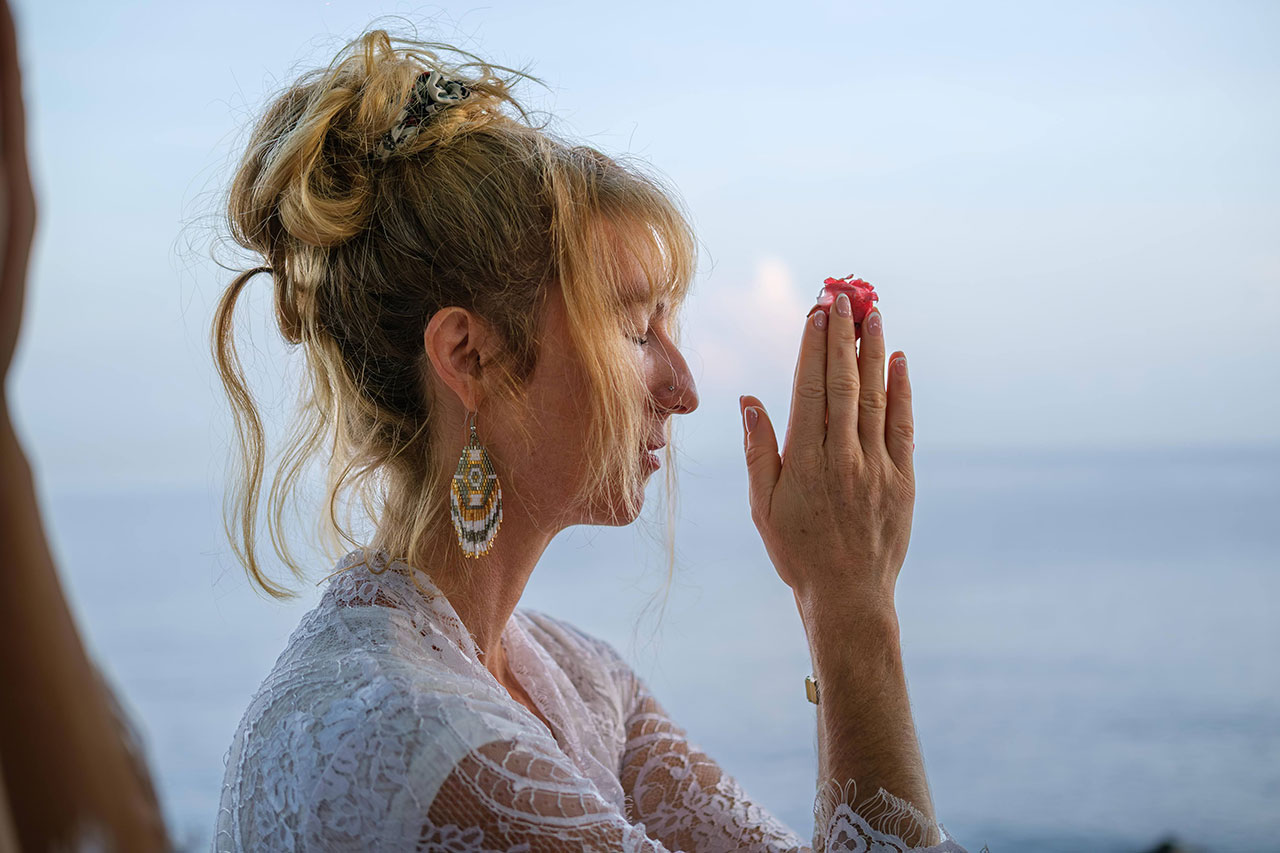
When we place our conscious intent into any act, the power of such an act is magnified. Many people experience that once food has been blessed, the taste is amplified. Or when water has been blessed, the quality is heightened.
Rituals can be directed towards any intent. Some people use ritual to gain more power over others. Such rituals are in service of greed. Black magic is used in this way. There is a grey area where certain rituals we think are quite normal in our society are actually in service of greed and ill intent, like some political rallies. We can also observe law-makers who use the rituals of parliament to bring certain laws into being which are in service of a nefarious intent by big business, aided and abetted by politicians. In such a case, you will see the puppet governing body, going through certain motions designed to lull observers into trusting them even though they are conning us, the people.
Ritual is a Science
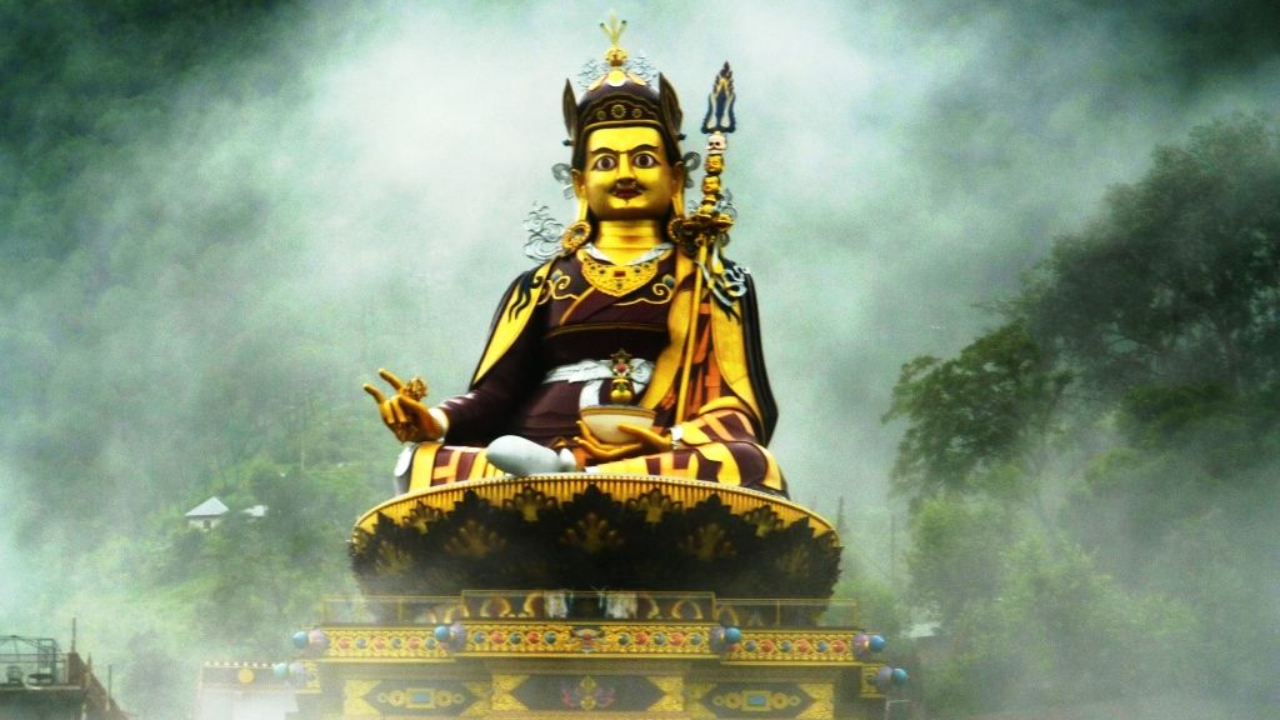
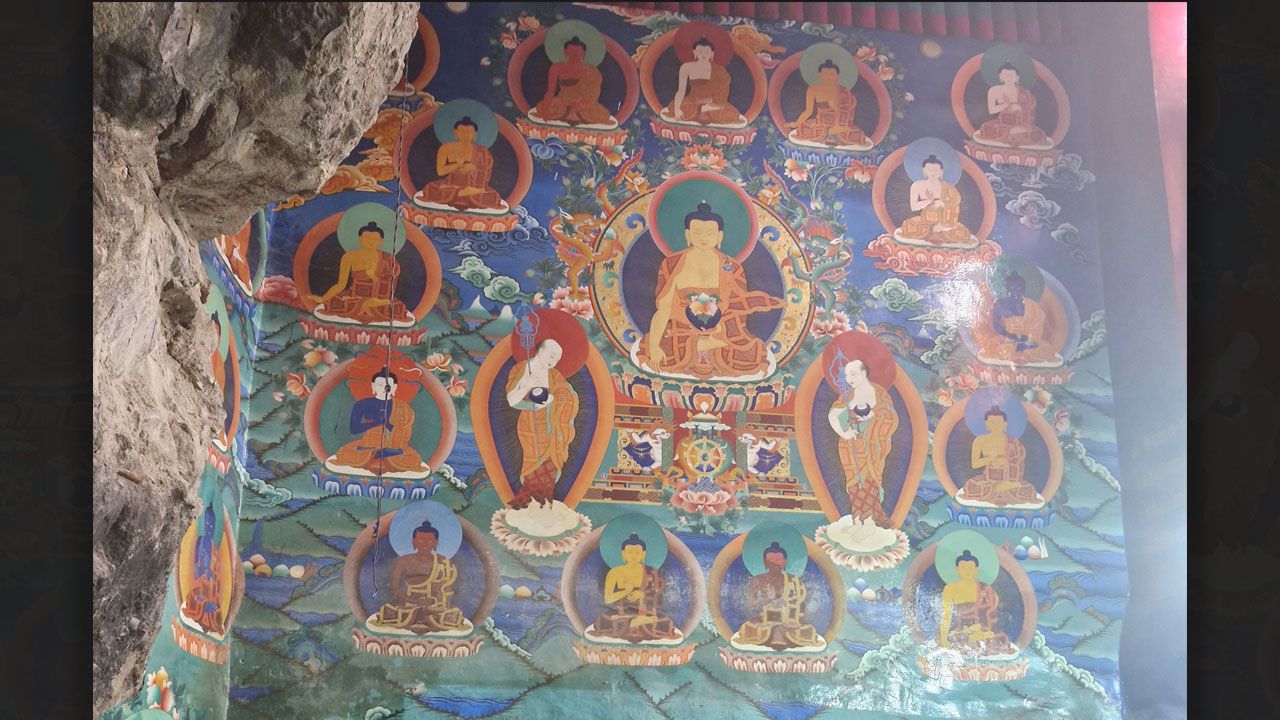
We can witness Tibetan Lamas offering extremely powerful rituals aimed at bringing enlightened consciousness to the world. Or we can witness Shamans performing rituals to call in healing. In the Hindu tradition, statues of Gods and Goddesses representing a particular life principle are ‘brought to life’ through the chanting of certain mantras and the creation of Yantras or fire rituals. The power of ritual should not be overlooked. It is in actual fact, a science.
Our ancient ancestors of the Vedic tradition designed rituals in order to manifest certain cosmic principles on the physical plane. To do this, they used sound (Mantra), Form (Yantra) and method (Tantra). These elements were woven together in a particular manner to bring about a certain vibrational manifestation. Some of these manifestations were depicted in the form of a particular deity.
These Rituals were kept alive through an oral tradition where initiates would be trained to continue the particular recipe, unique to each individual ritual. Even today, priests in India continue to offer rituals, which they have been trained in. Of course, if a ritual is done only by rote, without any awareness of the inner and secret manifestation which can be brought about through it, such a ritual will not carry the same power as if it is done in the light of consciousness.
Awareness and Discernment in Which Daily Rituals We Choose
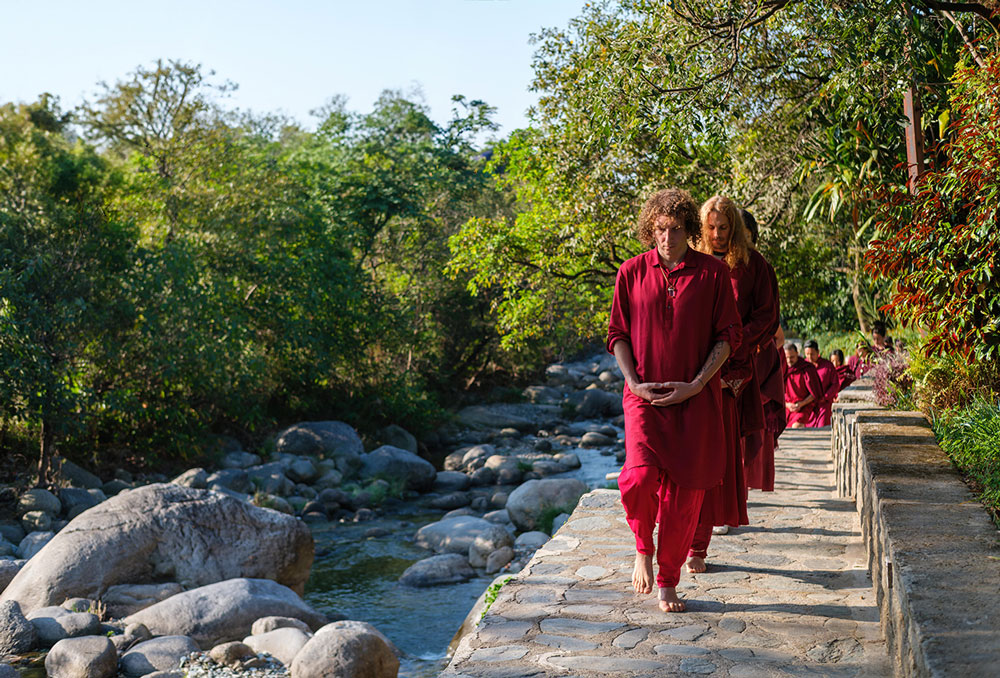
Cosmic power is neutral and can be harnessed for a clear and loving intent or for evil intent. Basically, energy follows intent. This is why in many cultures, before doing a ritual, the practitioner would fast, and cleanse themselves in other ways before going into the ritual. They wanted to make sure that they were so pure that only the highest manifestation of cosmic energy would be brought into and through them.
The way a ritual works in the human energy system is through our imagination, intuitive and creative brain aspects. This dream-world capacity within us remains continuously open to impressions received from the outside and when those impressions become fixed within us, they will begin manifesting our world-view and our life experience. We contain this capacity because we are designed to be adaptable to our surroundings in order to survive in many varied social or natural climatic conditions. In essence, we human beings are continuously in a state of hypnosis. We adapt to a status quo, which is implanted in us and with which we set our barometer of ‘normality.’
You can notice this in yourself just by observing how you like your breakfast in the morning. I often notice that people retain very fixed patterns and rituals around their way of eating breakfast, which stem from childhood conditioning. They will crave certain things prepared in a certain way and eaten in a particular manner according to how they were raised.
A perfect example of this is the good old English Breakfast (two fried eggs, 2 slices of fried bacon, one fried sausage, two pieces of fried toast, one fried tomato, some fried potato and two fried mushrooms). Even though people may realize that this is one of the unhealthiest breakfasts on earth, they will still sit down and eat it with great gusto, because as children this was considered to be the ultimate fulfillment in the morning. Or in France, we can observe people feeling the absolute necessity to have hot chocolate or coffee with a baguette (or a croissant) dipped into it for breakfast. Even if someone gets very ill from eating such food, they will stubbornly continue to consume it because it has become a fixed ritual for them, the way the day must begin.
Because of our tendency to become hypnotized by the status quo, advertising has a tremendous success. Something is repeated over and over till it becomes ritualized and then fixed within our brain. We will then continue searching and seeking this fixation.
Rituals in Service of Enlightenment and Social Order
When ritual is used in service of enlightenment, ambience, and all sensorial input is very consciously played out in a particular format. There will be particular scent, sound, perhaps tastes, visuals, all designed to open us very deeply to what is being conveyed in that particular ritual. The form of a magical Yantra is created with careful and conscious intent. The Yantra is blessed, making it alive to cosmic energies. The ritual will have a clear beginning and clear ending. Once the ritual is complete, the Yantra form is immediately dissolved. The benefit of the form melts into the persons who have participated in the ritual.
A few years ago in Varanasi, I was privileged to participate in a traditional ritual honoring the Shiva Lingam. The process went on for two hours, with animated chanting done by the priests, offerings of ghee, honey, spices and milk. We spent ages massaging the sculpted Shiva Lingam with Yoghurt, and then honey. Milk was poured over it for 20 minutes. We did elaborate flower and fruit offerings. It all felt so familiar, as if I had done this before many times, perhaps in another life. The power of it is still with me, a rekindling of an ancient alignment. Rituals when done correctly can even transcend the barrier of death, helping us to sense the continuity of the soul.
There is a powerful ritual in Tantra, which became quite famous and also greatly misunderstood. This is the Maithuna Ritual, a three day process which helps to free us of conditioning and open to the power of universal energy through conscious sexual union. This ritual is only undertaken in the presence of a Master who holds the spiritual portal open to support the descent of grace into the densest areas of the human body and psyche. If the Master has not done their homework rightly, they will be swallowed into a downward spiral, losing themselves into density and taking their initiates with them. This is one of the ways in which Tantra gained a questionable reputation, through the misuse and misinterpretation of sacred rituals.
Ritual as a Catalyst for Positive Transformation
We cannot change the fact that we as human beings are susceptible to ritualistic input. Even if we believe we are not susceptible, this is simply not true. Understanding and being aware of how we carry ritualistic programming will help us to leave behind those programs that are not serving our highest good. We become aware and discerning in choosing the best ritualistic input, which will help us to open to our full potential as conduits for cosmic consciousness.
When we consciously move into ritual with the intent of opening ourselves to love and enlightenment, the positive effects of such ritual will be felt in every cell of our body and mind. We will literally sense ourselves to be Gods and Goddesses and this world will be seen and experienced as paradise. It is! We have simply forgotten the science of how to access it.
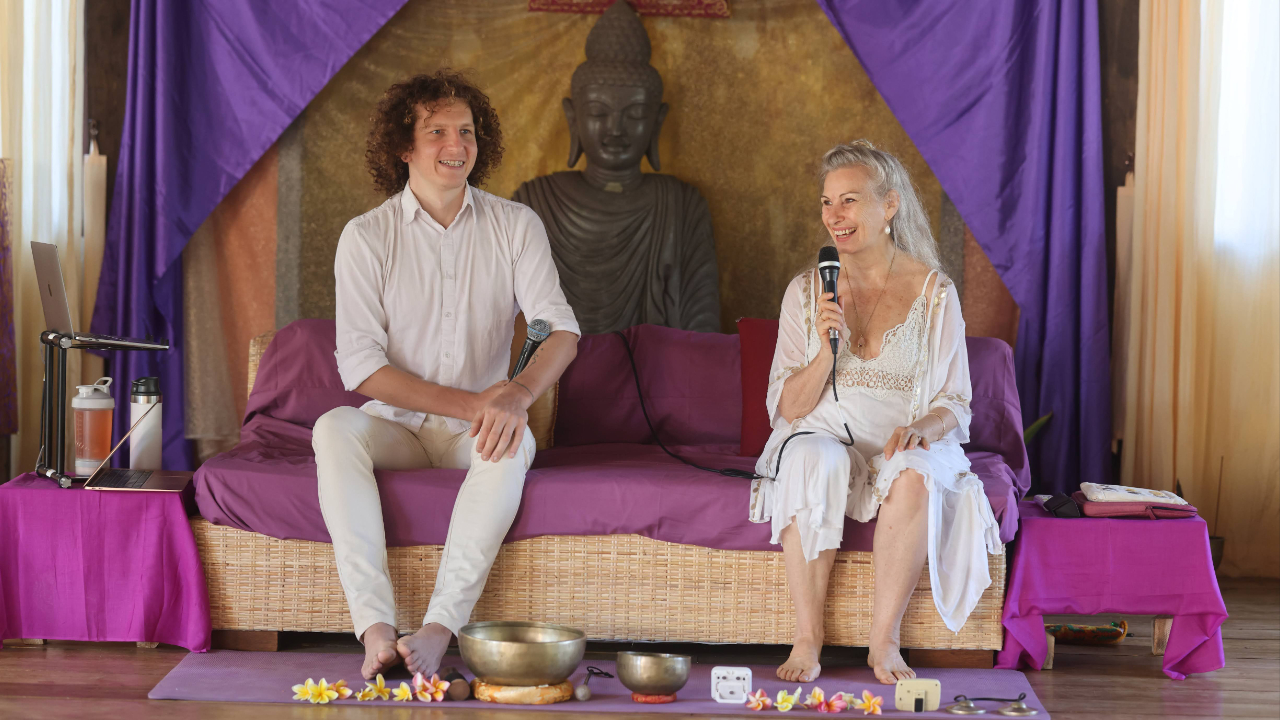
In my groups for couples and individuals, I often use rituals as a transmission for higher consciousness. In the couples Soul Mate Training, each couple learns how to bring the power of ritual into their Lovemaking Meditations at home. Tantra in all it’s myriad manifestations uses ritual in many different ways and it is my joy to offer this transmission woven through each Tantra group I teach.
The wonderful thing is, once we open ourselves to a ritualistic intent for highest consciousness, we will find that those keys to access these states were not lost but simply forgotten. As we align ourselves with the magic of love, we discover the universe showering love. As we align ourselves with grace and expansive intelligence, we discover genius just waiting to manifest. Rituals, when practiced rightly, can really help us to know heaven on earth.
FAQ
What are examples of rituals?
Rituals exist on a vast spectrum, from the most intimate inner acts to highly visible collective performance. Some are woven into our routine so deeply that we no longer recognize them as ritual at all. Brushing teeth in a particular order, preparing morning tea the same way every day, or pausing for a breath before beginning work are all habits that carry ritualistic meaning.
Other rituals are socially shared and publicly recognized. Weddings, funerals, and graduation ceremonies are classic examples. A wedding may include the cutting of a cake, spoken vows, symbolic gestures, and prescribed details that transform two individuals into a unified field. Funerals provide ritualized space for grief and release, helping the psyche process death through shared symbols and collective presence. Graduation rituals mark the completion of one phase of life and the entry into another, sealing the transition through communal acknowledgement.
Rituals also appear in our relationship with nature, like lighting a candle at sunset, greeting the full moon, offering water to the earth, or speaking words of gratitude before eating. These acts may appear simple, yet they hold deep symbolism, orienting human consciousness back toward the rhythms of life itself.
From the perspective of anthropology and archaeology, rituals have been present since the earliest human societies. Ancient burial practices, cave markings, and ceremonial objects all reveal humanity’s impulse to create meaning through ritualized content and symbolic form.
What are the 4 types of rituals?
While rituals take countless forms, they are often grouped into four broad categories, a number that appears repeatedly across ritual scholarship and psychology:
- Rites of passage: These rituals mark life transitions, like birth, initiation, marriage, death. They help individuals cross thresholds without disorientation, addressing the psychological problem of change by anchoring it in meaning.
- Rituals of routine and maintenance: These include daily rituals, habits, and repeated customs that stabilize life. They reduce anxiety by creating predictable structure and reinforcing familiar beliefs through repetition.
- Crisis or corrective rituals: Performed during illness, conflict, or social disruption, these rituals aim to restore balance. Scholars such as Max Gluckman observed how ritual can resolve tension and re-establish harmony within a community.
- Sacred or transcendent rituals: These rituals open a doorway to the unseen through prayer, meditation, chant, orceremonial performance. Their purpose is communion with higher intelligence or consciousness.
What is a ritual in religion?
In religious contexts, a ritual is a conscious act designed to address the relationship between the human and the sacred. Religious ritual translates invisible realities into embodied experience. Through prayer, chanting, offerings, or sacred performance, belief becomes lived.
Psychologists have observed that religious rituals help humans process existential uncertainty by providing symbolic reassurance. Through repeated ritual action, faith becomes embodied rather than just a mental concept.